What to Do Immediately After a Car Accident in Florida
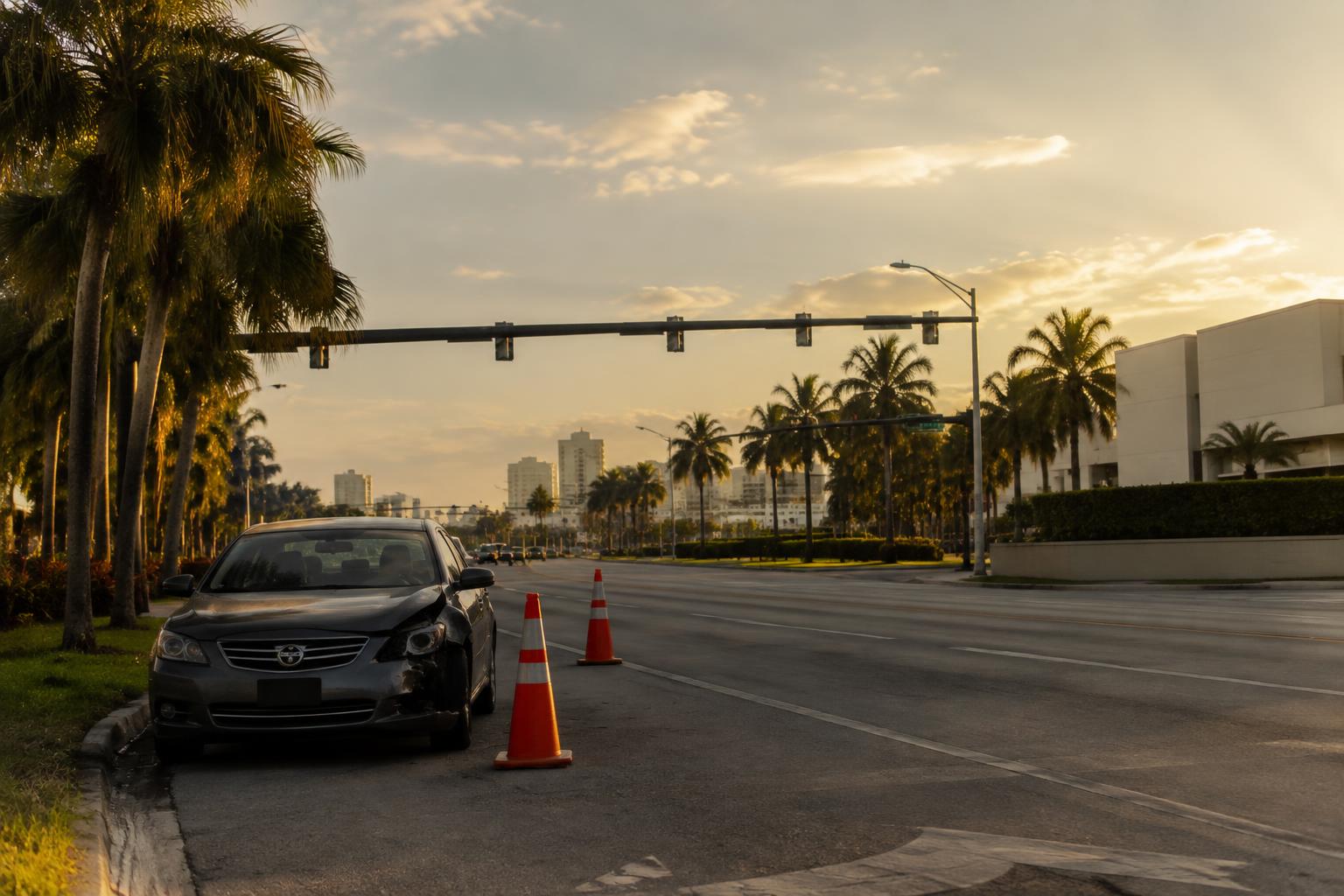
The steps you take right after a crash can affect both your health and any claim you may later pursue. Calling 911, seeking medical evaluation, and documenting the scene with photos are all important, even if the accident seems minor. Florida's no-fault system also means you generally need to seek medical treatment within a certain window for your own insurance to help cover initial costs.
Exchanging insurance information, noting the other driver's license plate, and getting contact details for any witnesses can all make a later claim easier to support. If the crash involved a commercial vehicle or rideshare driver, additional details, such as company information, may also be relevant.
How Florida's No-Fault Insurance Rules Affect Car Accident Claims
Florida requires drivers to carry personal injury protection (PIP) coverage, which generally pays for a portion of medical bills and lost wages after a crash, regardless of who caused it. This no-fault structure means many drivers turn to their own policy first for initial treatment costs, rather than immediately pursuing the other driver's insurer.
PIP coverage has limits, though, and serious injuries can exceed what that coverage provides. In those situations, an injured person may be able to pursue a claim against the at-fault driver if the injury meets certain thresholds under Florida law. Understanding how PIP interacts with a potential liability claim is one of the more confusing parts of a Florida car accident case.
Who Pays When You're Rear-Ended or Hit by Another Driver?
Beyond PIP, compensation after a crash may come from the at-fault driver's bodily injury liability coverage, or from your own uninsured/underinsured motorist (UM) coverage if the other driver had little or no insurance. Many Florida drivers carry only minimal liability coverage, which is one reason UM coverage matters so much after a serious uninsured motorist claim.
Determining which policy applies, and in what order, often depends on the specifics of the crash and the parties involved. Multi-vehicle pileups, rideshare accidents, and commercial truck accidents can each involve layered insurance coverage that takes time to sort through.
Common Types of Florida Car Accidents We Help With
Not every crash looks the same, and the type of collision can affect both the injuries involved and how a claim is evaluated. Orellana Law, P.A. works with clients across a wide range of vehicle accident scenarios throughout Florida.
- Rear-end collisions
- Head-on collisions
- T-bone accidents
- Rollover accidents
- Multi-vehicle accidents
- Hit-and-run accidents
- Distracted driving accidents
- Drunk driving accidents
- Truck accidents
- Motorcycle accidents
- Rideshare accidents
- Pedestrian accidents
- Bicycle accidents
- Uninsured motorist claims
- Vehicle property damage claims
- Fatal vehicle accidents
How Comparative Fault Can Affect a Florida Car Accident Claim
Florida's comparative fault rules mean that fault in a car accident is not always all-or-nothing. Insurance adjusters may try to assign partial blame to the injured driver, which can reduce the amount of compensation available. This is especially common in t-bone accidents at intersections, where fault can be genuinely unclear.
Dashcam footage, traffic camera recordings, and independent witness accounts can all help clarify what actually happened. Because these disputes over fault percentage can significantly affect a claim's value, it often helps to have the accident scene and any citations carefully documented from the start.
Dealing With the Insurance Adjuster After a Car Accident
Insurance adjusters, including your own company's adjuster, are generally focused on resolving claims for as little as possible. It's common for adjusters to request recorded statements early, sometimes before you know the full extent of your injuries. Statements made in the days after a crash can be used later to argue that injuries were minor or unrelated to the collision.
If you're unsure how to respond to an adjuster's request, or if your claim has already been denied, what to do when your insurance claim is denied covers general steps to consider before accepting an initial settlement offer.
What Happens When a Car Accident Results in Serious or Fatal Injuries?
Some collisions, particularly rollover accidents, high-speed head-on collisions, or crashes involving pedestrians and cyclists, can result in catastrophic injuries or death. These cases often involve extended medical treatment, long-term care needs, and, in the most serious situations, a wrongful death claim brought by surviving family members.
Because these cases tend to be more complex, with higher stakes and more insurance parties involved, it is generally worth speaking with someone about your options as soon as possible after the accident. Request a free consultation to discuss the general circumstances of what happened.
Common Questions About Car Accident Claims in Florida
People injured in car accidents often have similar questions about deadlines, insurance coverage, and what the claims process generally looks like. Below are answers to some of the most common questions Orellana Law, P.A. hears from clients across Florida.
If your situation isn't addressed here, or you want to talk through the specifics of your accident, our personal injury team can go over the general concepts with you during a free consultation, whether your crash involved a distracted driver, a commercial truck, or another vehicle entirely.
How Long Does a Car Accident Claim Take in Florida?
The timeline for a car accident claim depends heavily on the extent of the injuries and how long treatment lasts, since settling before treatment is complete can undervalue future medical needs. Straightforward claims involving clear liability and moderate injuries may resolve within several months of completing treatment.
More complicated situations, such as a multi-vehicle accident with disputed fault among several drivers, or a case involving a hit-and-run accident where the at-fault driver must first be identified, can take considerably longer to resolve.
Mistakes to Avoid After a Car Accident in Florida
Some of the most common mistakes after a crash include waiting too long to seek medical treatment, failing to report the accident, and giving a recorded statement to an insurance adjuster before understanding the full extent of injuries. Florida's no-fault rules also make it important to seek treatment within the required window so PIP coverage can apply.
Posting about the accident on social media, discarding damaged property before it's documented, or accepting a quick settlement offer can also weaken a claim later. If a drunk driving accident or distracted driving accident was involved, preserving any available evidence of impairment or distraction early on can also matter.
Miami-Dade Traffic Patterns and Common Crash Locations
Certain conditions in Miami-Dade County contribute to a higher volume of collisions compared to less congested parts of Florida, including dense traffic on major corridors, frequent lane changes near highway exits, and a large number of visitors unfamiliar with local roads. Intersections with heavy pedestrian and cyclist traffic can also see more pedestrian accidents and bicycle accidents than in more suburban or rural areas of the state.
Regardless of where in Florida a crash happens, the same general legal concepts, such as PIP coverage, comparative fault, and the potential need for UM coverage, still apply. Request a free consultation to talk through the specific circumstances of your accident, wherever it occurred.
Serving all of Florida
Car Accidents Guidance in Miami-Dade County and Across Florida
Orellana Law has one office in Miami and serves clients with car accidents matters throughout Miami-Dade County and across the entire State of Florida. Wherever you are in the state, you can meet with the firm by phone or video. Contact the firm to discuss your situation.