

What to Do After a Bicycle Accident in Florida
After a collision with a vehicle, check yourself for injuries and call for medical help if needed. Even seemingly minor bicycle accidents can cause head injuries or fractures that are not obvious right away. Call the police to create an official report, and if possible, photograph the bicycle, the vehicle, and the surrounding scene.
Get the driver's insurance and contact information, along with details from any witnesses. This documentation can support your claim later, much as it does in pedestrian accident cases involving vulnerable road users.
How Insurance Coverage Works After a Bicycle Accident
Florida's no-fault system generally allows an injured cyclist to access PIP coverage through their own auto policy or a household member's policy, even though the cyclist was not driving a car. This coverage can pay for initial medical treatment regardless of fault, up to policy limits.
When to Consider a Liability Claim
If injuries are serious or exceed available PIP coverage, a cyclist may pursue a claim against the at-fault driver's liability insurance. If the driver lacks adequate coverage, an uninsured motorist claim may become relevant, similar to how these claims apply in other crash types.
Common Causes of Bicycle Accidents
- Drivers failing to check for cyclists before turning
- Vehicles passing too closely in narrow lanes
- Dooring incidents where a parked car's door opens into a cyclist's path
- Distracted or speeding drivers in areas with bike lanes
- Poor visibility conditions at dawn, dusk, or night
Who Is at Fault When a Car Hits a Bicycle?
Determining fault often comes down to right-of-way rules, traffic signals, and whether the driver or cyclist exercised reasonable care. Florida's comparative fault framework allows a cyclist's own conduct, such as failing to use lights at night, to be weighed against the driver's actions, without automatically preventing recovery.
Police reports, traffic camera footage, and witness accounts are often key pieces of evidence, similar to how they are used in multi-vehicle accident investigations.
Injuries Commonly Seen in Bicycle Accidents
Bicycle accidents can produce injuries ranging from road rash and fractures to more serious harm such as traumatic brain injuries or spinal cord damage. Because cyclists have little protection compared to vehicle occupants, the severity of injuries from even a moderate-speed collision can be substantial.
What If the Driver Left the Scene?
A hit-and-run involving a cyclist presents added challenges, since identifying the responsible driver may take time or may not be possible. In these cases, uninsured motorist coverage, if available, may provide a path forward, comparable to options discussed in our page on hit-and-run accidents.
Steps for Pursuing a Bicycle Accident Claim
- Seek medical care and document your injuries
- Preserve the bicycle, helmet, and any damaged gear as evidence
- Obtain the police report and witness information
- Identify all potentially applicable insurance coverage
- Speak with our team before accepting any settlement offer
Understanding why insurance claims get delayed or undervalued can help you recognize common tactics used during the claims process. Request a free consultation to discuss your bicycle accident with our team.
Frequently Asked Questions About Bicycle Accident Claims
Here are answers to common questions cyclists ask after being hit by a vehicle in Florida.
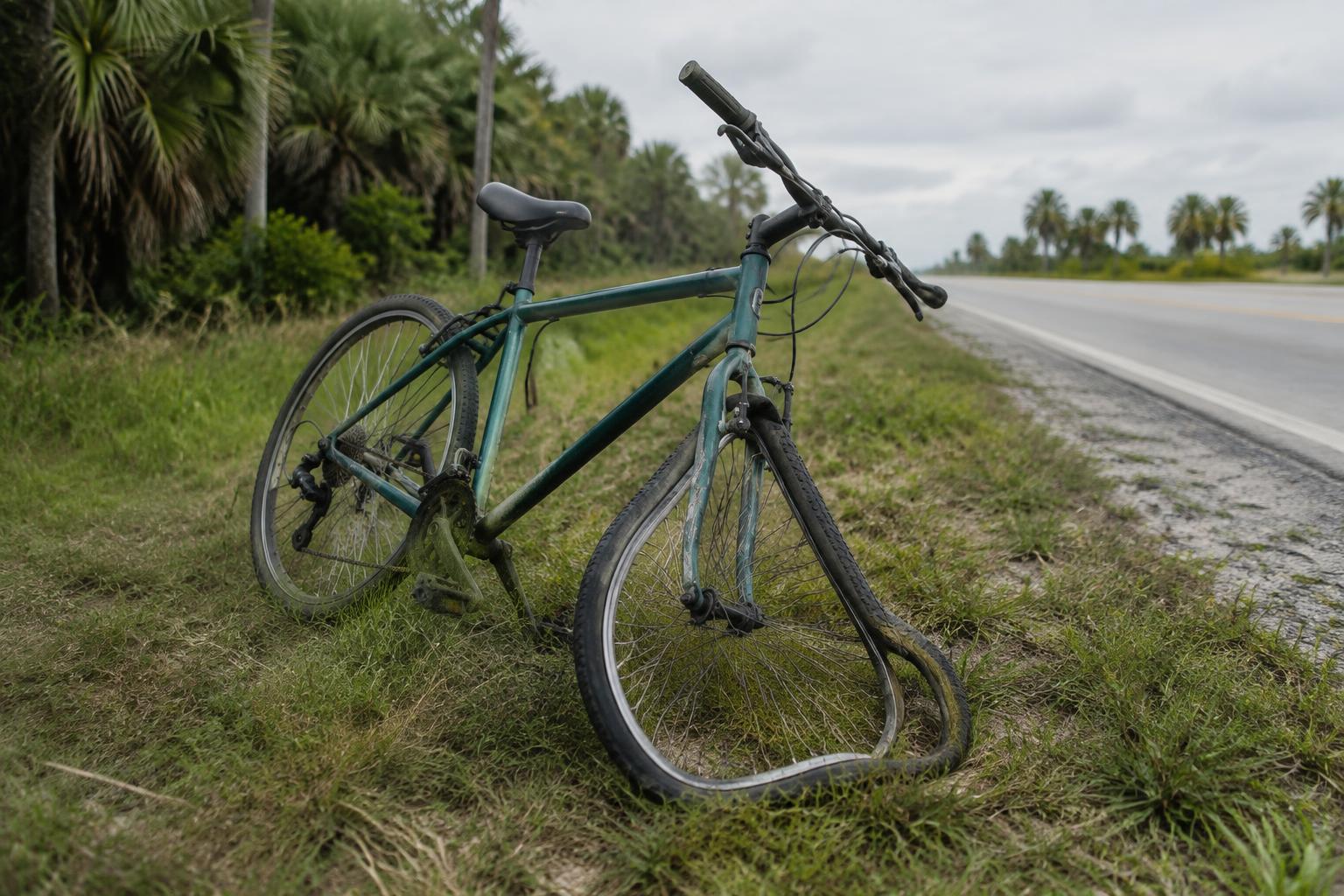
Bicycle Safety Laws and Infrastructure in Florida
Florida law generally treats bicycles as vehicles for purposes of traffic laws, meaning cyclists have both rights and responsibilities on the road. Many parts of Miami have dedicated bike lanes, but not all roadways offer this protection, which can increase risk in areas where cyclists must share a lane with vehicle traffic.
Local infrastructure, such as poorly maintained bike lanes, missing signage, or obstructed sightlines, can sometimes contribute to a crash, and evidence of these conditions may be relevant depending on the facts of your case.
Long-Term Recovery After a Serious Bicycle Accident
Recovering from a serious bicycle accident can involve extended physical therapy, time away from work, and adjustments to daily routines. Some injuries, particularly those involving the head or spine, may require ongoing specialist care and monitoring well after the initial treatment period.
Keeping thorough records of your recovery process, including medical appointments and any changes in your ability to work or engage in daily activities, can help support the full value of your claim over time.
How Long Does a Bicycle Accident Claim Take in Florida?
The length of a bicycle accident claim generally depends on the severity of the cyclist's injuries and how many insurance policies are involved. Minor injury claims may resolve in a few months once treatment concludes, while claims involving fractures, head injuries, or long recovery periods often take longer, since final settlement should reflect the full scope of medical needs.
What Evidence Helps Prove a Bicycle Accident Claim?
Strong evidence often includes the police report, photographs of the bicycle and the crash scene, witness statements, and any available video from nearby businesses or traffic cameras. Physical evidence such as skid marks, damage patterns, and the final resting positions of the bicycle and vehicle can also help reconstruct how the collision occurred.
In cases involving a disputed dooring incident or a driver's failure to yield, this evidence can be especially important, much as it is in t-bone accident cases where the point of impact tells much of the story.
How Comparative Fault and Right-of-Way Rules Affect Bicycle Claims
Florida's comparative fault system allows a cyclist's conduct, such as riding against traffic or failing to signal, to be weighed against a driver's negligence when determining how much compensation is available. Right-of-way rules at intersections and driveways often become central to this analysis, particularly in areas where a driver making a turn failed to check for an oncoming cyclist, a scenario that shares similarities with t-bone accident investigations.
Because fault percentages can directly affect the value of a settlement, gathering strong evidence of the driver's actions leading up to the collision is an important part of building a bicycle accident claim.
How do intersection right-of-way rules affect bicycle accident claims in Florida?
Intersections are high-risk zones for cyclists, particularly when drivers fail to respect right-of-way rules. Common scenarios include the 'right hook,' where a driver turns across a cyclist's path, or left-turn collisions where a motorist fails to see an oncoming bicycle. In these situations, the driver's negligence is often the primary cause of the crash. However, insurance companies may attempt to shift blame by questioning whether the cyclist was visible or following traffic signals. Establishing the facts through witness statements and traffic camera data is essential for a successful claim. When these collisions result in fatal crashes, the legal process becomes even more involved, requiring a deep dive into the moments leading up to the impact to ensure the driver is held accountable for their failure to share the road safely.
What insurance policies apply if a cyclist is hit by an underinsured driver?
If you are injured while cycling and the at-fault driver has little or no insurance, several other policies may provide a path to recovery. Florida's no-fault rules allow your own PIP coverage to pay for initial medical treatment, even though you were on a bike rather than in a car. Beyond PIP, uninsured motorist coverage on your personal auto policy can be a lifesaver, covering the gap left by the negligent driver's lack of insurance. If you have multiple vehicles, you might even be able to 'stack' these coverages to increase the total amount available for your medical bills and lost wages. Navigating these overlapping insurance layers requires a careful review of your policy language to ensure you are accessing all available benefits following a serious collision with a motor vehicle.
Serving all of Florida
Bicycle Accidents Guidance in Miami-Dade County and Across Florida
Orellana Law has one office in Miami and serves clients with bicycle accidents matters throughout Miami-Dade County and across the entire State of Florida. Wherever you are in the state, you can meet with the firm by phone or video. Contact the firm to discuss your situation.