
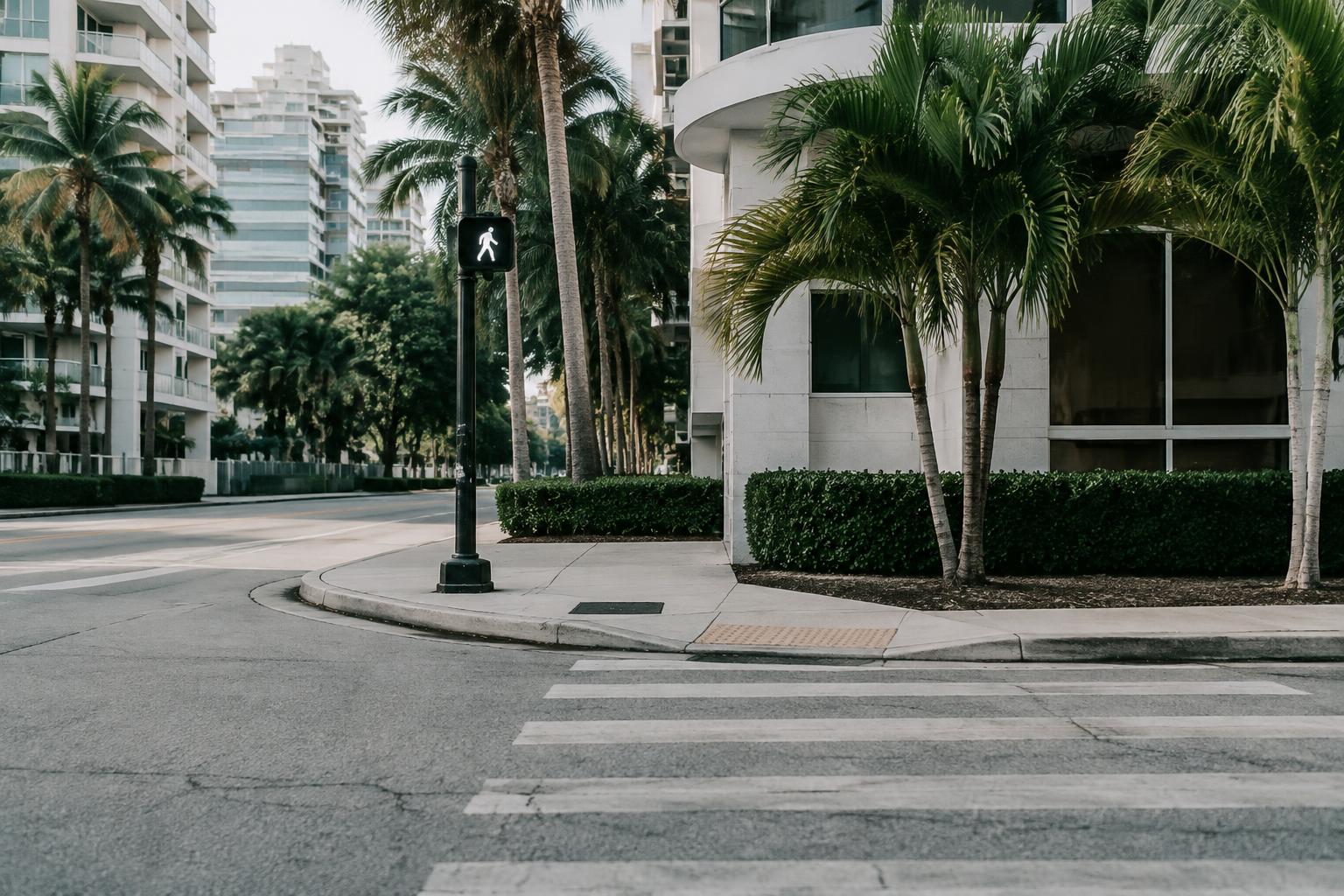
What to Do After Being Hit by a Car in Florida
If you are struck by a vehicle while walking, seek medical attention right away, even if injuries seem minor at first. Adrenaline can mask pain, and some injuries, like concussions or internal bleeding, are not immediately obvious. Call the police so a report is created, and if you are able, gather names and contact information from witnesses.
Photograph the scene, including the vehicle involved, any skid marks, traffic signals, and crosswalk markings. This evidence can help establish how the crash happened, similar to how documentation supports claims after hit-and-run accidents.
How Florida's No-Fault Rules Apply to Pedestrians
Even though pedestrians do not carry auto insurance in the way drivers do, Florida's no-fault system can still apply. In many cases, PIP coverage from the pedestrian's own auto policy, or a household member's policy, pays initial medical bills regardless of who caused the crash. If no such policy exists, the driver's PIP coverage may apply instead.
When a Liability Claim May Be Available
When injuries are serious or medical costs exceed PIP limits, an injured pedestrian may be able to pursue a claim against the driver's liability insurance. This process shares similarities with claims made after rideshare accidents, where coverage layers must be identified before proceeding.
Common Causes of Pedestrian Accidents in Florida
- Drivers failing to yield at crosswalks or intersections
- Distracted driving, including phone use behind the wheel
- Speeding through residential or high-foot-traffic areas
- Poor visibility at night or during heavy rain
- Left- or right-turn collisions where drivers do not check for pedestrians
Many of these causes overlap with those seen in distracted driving accidents, where a driver's inattention plays a central role in the crash.
Who Is at Fault in a Pedestrian Accident?
Fault in a pedestrian accident depends on the specific facts, including whether the pedestrian was in a marked crosswalk, whether traffic signals were obeyed, and each party's degree of attentiveness. Florida applies comparative fault principles, meaning a pedestrian's own conduct can be weighed against the driver's, but this does not automatically bar recovery.
Evidence such as traffic camera footage, witness statements, and the police report often plays a significant role in reconstructing how a pedestrian crash occurred.
Types of Injuries Common in Pedestrian Accidents
Because pedestrians lack the protection of a vehicle frame, injuries from these crashes are often more severe than in typical car-to-car collisions. Common injuries include fractures, traumatic brain injuries, spinal cord damage, and soft tissue injuries. In the most serious cases, a pedestrian accident can lead to catastrophic injuries with long-term consequences.
What If the Driver Fled the Scene?
Hit-and-run pedestrian accidents raise additional challenges, since the responsible driver may not be immediately identifiable. In these situations, uninsured motorist coverage on the pedestrian's own auto policy, if one exists, may become an important resource, much like it would in an uninsured motorist claim involving an unidentified driver.
Steps for Building a Pedestrian Accident Claim
- Obtain the police report and any available witness contact information
- Follow through with recommended medical treatment and keep records
- Identify all applicable insurance policies, including PIP and liability coverage
- Avoid giving a recorded statement to an insurer before speaking with our team
- Request a free consultation to review your options
Our personal injury team can help review the available evidence and outline what may be involved in pursuing your claim. Contact us to get started.
Frequently Asked Questions About Pedestrian Accident Claims
The following questions come up frequently after pedestrian accidents in the Miami area.
Pedestrian Right-of-Way Rules in Florida
Florida law generally requires drivers to yield to pedestrians in marked and unmarked crosswalks at intersections, but pedestrians also have a responsibility to exercise reasonable care, such as not darting suddenly into traffic. Both sides of this equation are often examined when evaluating a pedestrian accident.
Areas with heavy foot traffic, such as near schools, shopping districts, or busy Miami intersections, often see a higher frequency of pedestrian collisions, particularly during peak commuting hours or evening hours when visibility decreases.
The Emotional and Financial Impact of a Pedestrian Accident
Beyond physical injuries, pedestrian accidents can bring significant emotional distress, lost income during recovery, and ongoing medical expenses for rehabilitation. Families may also need to adjust to changes in a loved one's mobility or ability to work following a serious injury.
Because these impacts can extend well beyond the initial hospital visit, it is worth keeping detailed records of missed work, out-of-pocket expenses, and ongoing therapy sessions as your claim develops.
How Long Does a Pedestrian Accident Claim Take to Resolve?
Pedestrian accident claims often take longer than simple property damage disputes because injuries can be significant and may require extended treatment. A claim usually cannot be fairly evaluated until the injured person reaches maximum medical improvement or a clear long-term prognosis is established, since settling too early can undervalue future medical needs.
Cases involving disputed fault, such as questions about whether the pedestrian was in a crosswalk, or those involving multiple insurance layers, can add additional time. Straightforward cases with clear liability sometimes resolve within several months, while more complex matters can extend well beyond that.
How Miami-Dade Traffic Patterns Affect Pedestrian Accident Risk
Miami-Dade's mix of dense urban corridors, tourist foot traffic, and wide multi-lane roads can create conditions that differ from pedestrian accidents in other parts of Florida. Busy commercial strips, nightlife districts, and areas near transit stops often see higher pedestrian volumes, which can increase the likelihood of a crash if drivers are distracted or fail to yield.
In these settings, video footage from nearby businesses or traffic cameras can be particularly useful, and quickly identifying and preserving such footage is one reason prompt evidence-gathering matters after any distracted driving accident involving a person on foot.
How Weather and Visibility Conditions Affect Pedestrian Accident Claims
Rain, glare, and low-light conditions common in South Florida can reduce a driver's ability to see pedestrians, particularly near dusk or during sudden downpours. When weather is a factor, it can also affect the comparative fault analysis, since both the driver's speed and the pedestrian's visibility choices, such as wearing dark clothing at night, may be examined.
Documenting weather conditions at the time of the crash, including through photographs or weather records, can help clarify how much each factor contributed to the collision.
What factors determine the value of a pedestrian accident settlement in Florida?
The value of a pedestrian injury claim often depends on the severity of the injuries sustained and the long-term impact on the individual's life. In Miami, where traffic density is high, catastrophic injuries can lead to significant medical expenses, including emergency care, surgeries, and ongoing physical therapy. Beyond medical bills, compensation may also address lost wages if the injured person is unable to return to work, as well as pain and suffering. Florida's no-fault system means PIP coverage typically pays the first portion of medical costs, but when injuries are serious, a liability claim against the driver's insurance is often necessary. The available insurance policy limits of the at-fault driver play a crucial role in the final recovery amount, as does the clarity of the evidence establishing the driver's negligence during the crash.
How does the location of a pedestrian crash impact the legal investigation?
Where a pedestrian accident occurs—whether at a marked crosswalk, a mid-block location, or a busy intersection—heavily influences the determination of fault. If a driver fails to yield in a designated crossing area, their liability is often clearer, whereas incidents occurring outside of crosswalks may involve a complex comparative fault analysis. Investigators look at lighting conditions, visibility obstructions like parked cars, and whether the driver was speeding or distracted. In cases involving a hit-and-run accident, identifying the location and gathering nearby surveillance footage becomes even more critical. Because Florida follows a comparative negligence standard, even if a pedestrian was not in a crosswalk, they may still be entitled to partial recovery if the driver could have avoided the collision by exercising reasonable care and attention to the roadway.
Serving all of Florida
Pedestrian Accidents Guidance in Miami-Dade County and Across Florida
Orellana Law has one office in Miami and serves clients with pedestrian accidents matters throughout Miami-Dade County and across the entire State of Florida. Wherever you are in the state, you can meet with the firm by phone or video. Contact the firm to discuss your situation.