
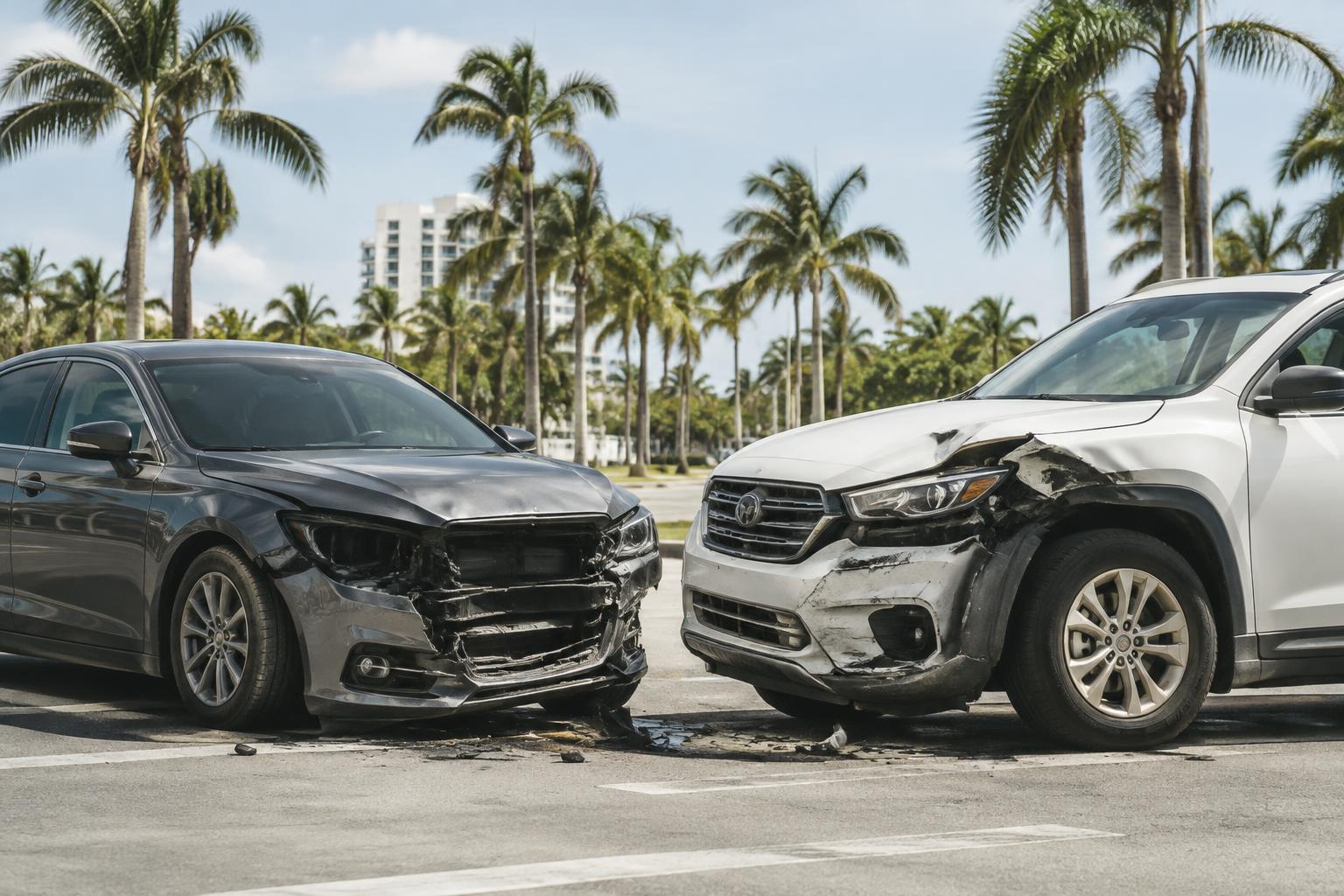
What Is Considered Distracted Driving in Florida
Distracted driving covers any activity that takes a driver's attention away from the road, including texting, talking on the phone, eating, adjusting navigation systems, or even reaching for something in the vehicle. Florida has laws addressing texting while driving, though enforcement and proof of distraction can still be complicated after a crash. Distraction-related crashes often look similar to other collision types, such as rear-end collisions, where a driver simply fails to notice stopped traffic ahead.
Because distraction is often invisible at the moment of impact, proving it typically relies on indirect evidence rather than an admission from the at-fault driver.
Common Signs of a Distracted Driver
- No braking or delayed braking before impact
- Drifting out of a marked lane without signaling
- Rear-ending a stopped or slow-moving vehicle
- Failing to notice a traffic signal change
- Erratic speed changes shortly before the crash
These patterns alone don't prove distraction, but combined with phone records or witness accounts, they can build a clearer picture of what happened leading up to the crash.
How Phone Records Can Support a Distracted Driving Claim
Cell phone records showing calls, texts, or app activity at the time of a crash can be an important piece of evidence in distracted driving cases. Obtaining these records typically requires a formal request, and insurers or courts may need to be involved to compel a driver's carrier to produce them. Vehicle infotainment systems and even social media activity can sometimes provide additional clues about a driver's attention level.
This kind of evidence gathering is often more involved than in a straightforward multi-vehicle accident with clear physical fault, which is why documenting the scene thoroughly matters.
How Distraction Affects Fault Determinations
Florida applies comparative fault principles, so establishing that another driver was distracted can strengthen a claim by shifting more responsibility onto them. However, insurers may dispute distraction claims, arguing that other factors, like road conditions or the victim's own actions, played a role. A clear timeline supported by police reports, witness statements, and available electronic evidence helps present a stronger case.
Comparative fault determinations can significantly affect how much compensation is ultimately available, making thorough documentation important from the start.
PIP and Medical Coverage After a Distracted Driving Crash
As with other Florida car accidents, PIP coverage typically applies first to cover a portion of medical expenses and lost wages, regardless of fault. If injuries are serious enough to meet Florida's threshold, additional claims against the distracted driver's bodily injury liability coverage may become relevant. Insurers evaluating these claims often examine medical records closely, so consistent treatment and documentation matter.
What to Do If You're Hit by a Distracted Driver
Steps to Take
- Call police to the scene and request a report
- Photograph vehicle positions, damage, and any visible phone or device in the other vehicle
- Get contact information from witnesses
- Seek prompt medical evaluation
- Preserve your own phone records for comparison if needed
Distracted Driving vs. Other Causes of Car Accidents
Distraction often overlaps with other accident causes covered under our broader car accidents practice area, including fatigue, speeding, or impairment. When multiple factors are present, an insurer may attempt to minimize the role distraction played. Reviewing the full circumstances of the crash, rather than focusing on a single cause, generally leads to a more complete claim.
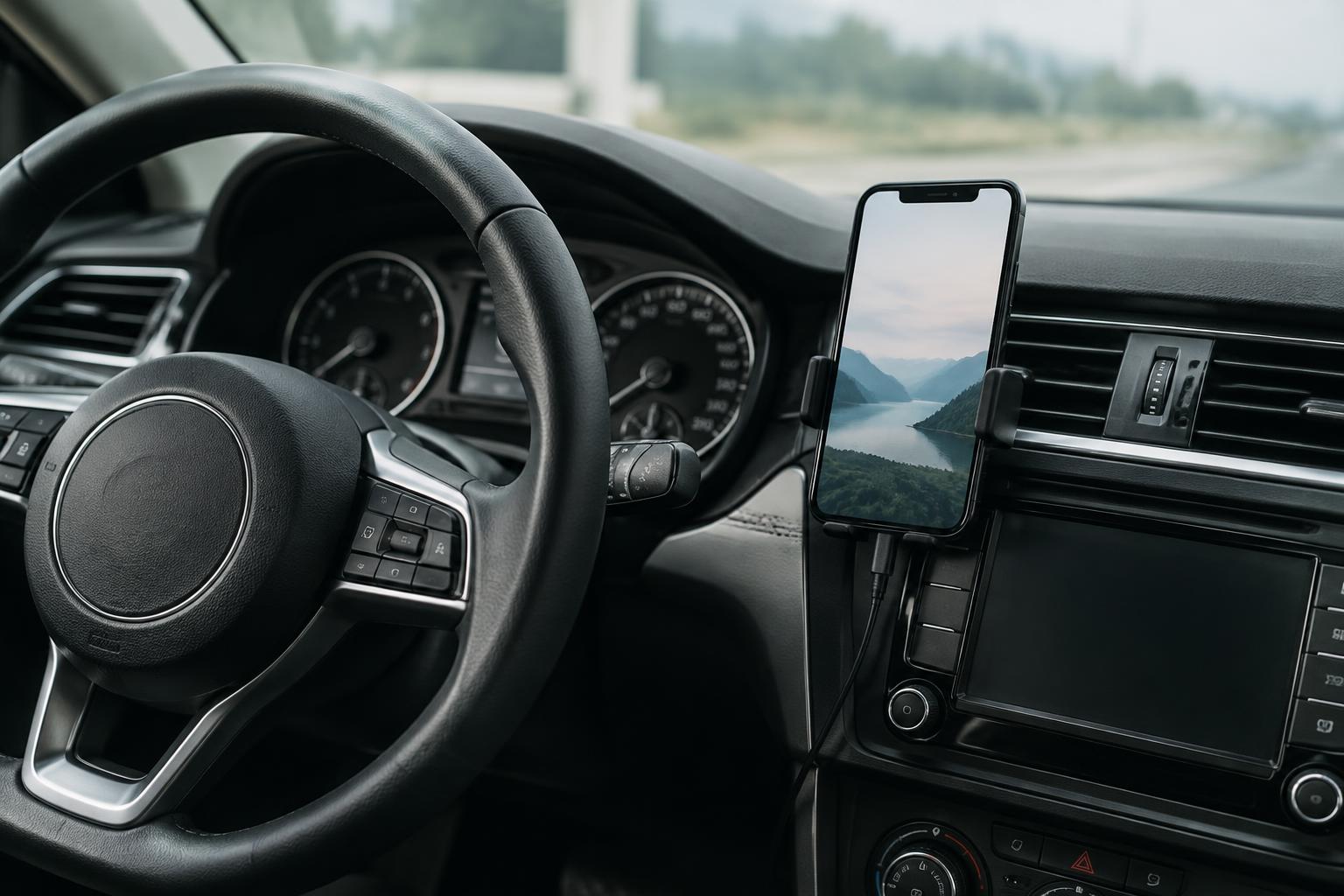
Why Insurers May Dispute Distracted Driving Claims
Insurers sometimes resist distracted driving claims because proving distraction can be more difficult than proving speeding or a traffic violation. Adjusters may downplay the significance of circumstantial evidence or argue that the crash would have happened regardless of distraction. If you've encountered pushback, this resource on denied claims outlines general steps for responding to an insurer's denial.
Types of Distraction Behind the Wheel
Distraction generally falls into three categories: visual, taking your eyes off the road; manual, taking your hands off the wheel; and cognitive, taking your mind off driving. Texting is often considered the most dangerous form of distraction because it can involve all three types at once. Other common distractions include adjusting a GPS device, eating while driving, talking with passengers, or reaching for an item in the back seat. Recognizing which type of distraction was likely involved can sometimes help focus the investigation on the most relevant evidence.
Ride-hailing and delivery drivers may face additional distractions from navigation apps or order notifications, which can be relevant if the at-fault vehicle was being used for rideshare purposes at the time of the crash.
Building a Strong Distracted Driving Claim
A well-supported distracted driving claim usually combines several types of evidence rather than relying on any single source. Police reports may note observations about the other driver's behavior at the scene, witnesses may describe what they saw in the moments before the crash, and physical evidence like the absence of skid marks can suggest a driver never noticed the danger ahead. Where available, phone records, dashcam footage, or vehicle event data recorder information can add further support. Working through this evidence methodically, rather than focusing on a single assumption about what happened, tends to produce a more complete and persuasive claim.
How Long Does a Distracted Driving Claim Take in Florida?
Timelines for distracted driving claims vary widely depending on how quickly liability can be established. When phone records, witness statements, or dashcam footage clearly point to inattention, a claim may move more efficiently than one where the cause of the crash is disputed. Requests for cell phone carrier records in particular can add weeks or months to a claim, since they often require formal legal procedures to obtain.
Injury severity also plays a role, since claims involving ongoing medical treatment are generally not finalized until treatment has stabilized enough to estimate future needs accurately.
Distracted Driving Accidents in Miami-Dade vs. Elsewhere in Florida
Dense Miami-Dade traffic, frequent stop-and-go conditions, and heavy tourist activity can create more opportunities for distraction-related crashes compared to less congested parts of Florida. Intersections and highway merges in Miami often see a higher concentration of rear-end and lane-change collisions tied to driver inattention. While the underlying legal principles of fault and insurance coverage remain the same statewide, the volume of surveillance cameras and dashcams in a busy urban area can sometimes make gathering supporting evidence more accessible in Miami-Dade than in more rural parts of Florida.
Mistakes to Avoid After a Distracted Driving Accident
One common mistake is failing to note details about the other driver's behavior immediately after the crash, such as whether they mentioned being on the phone or appeared to be looking down before impact. These observations can fade from memory quickly. Another mistake is accepting a quick settlement offer before understanding the full extent of injuries, since some symptoms take days to appear.
Failing to preserve your own phone records, which insurers sometimes request to rule out your own distraction, can also create unnecessary complications later in the claims process.
Serving all of Florida
Distracted Driving Accidents Guidance in Miami-Dade County and Across Florida
Orellana Law has one office in Miami and serves clients with distracted driving accidents matters throughout Miami-Dade County and across the entire State of Florida. Wherever you are in the state, you can meet with the firm by phone or video. Contact the firm to discuss your situation.