
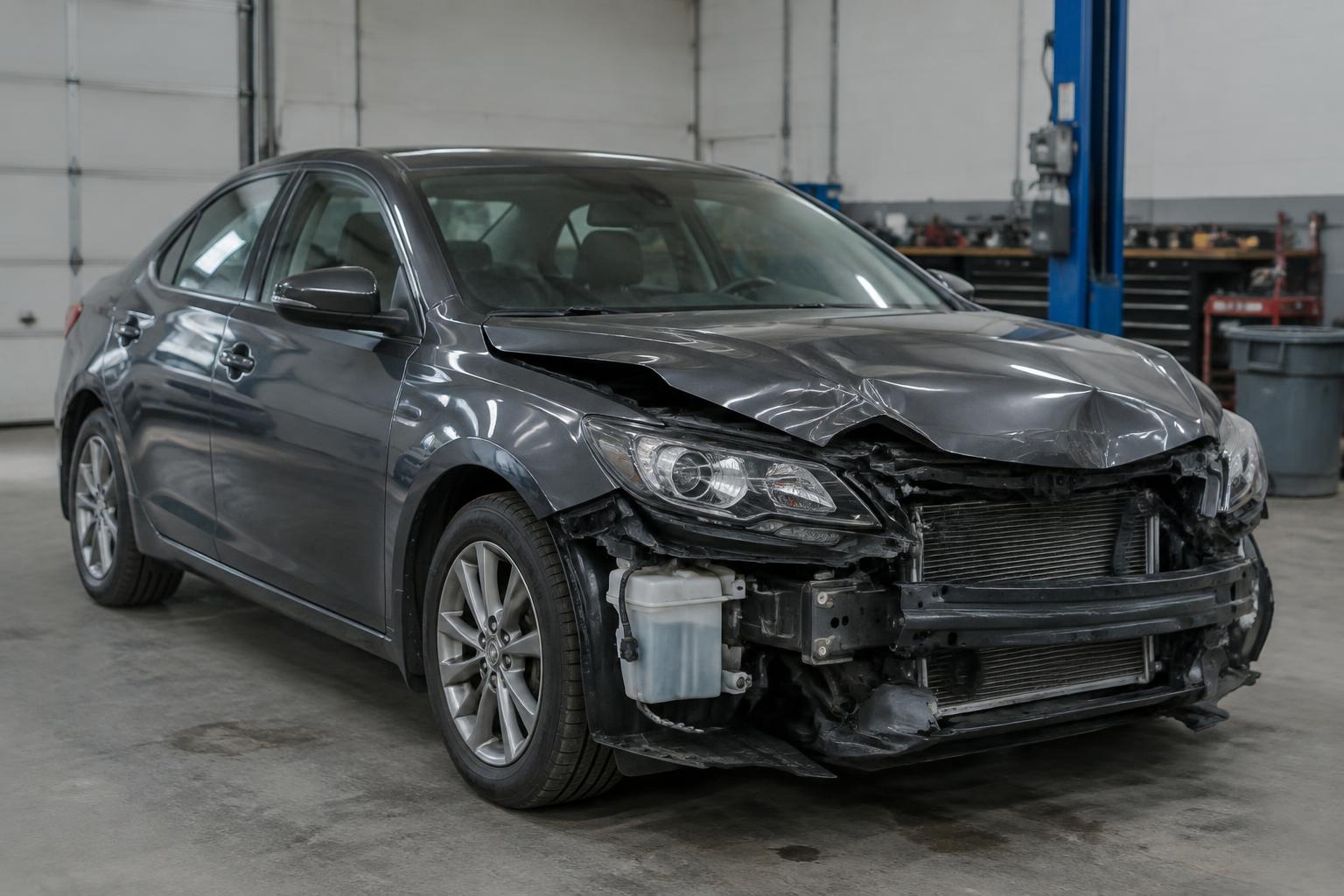
What Is a Vehicle Property Damage Claim?
A vehicle property damage claim addresses the cost of repairing or replacing your car after an accident, separate from any claim for personal injuries. This claim is typically filed against the at-fault driver's property damage liability coverage, or your own collision coverage if you choose to use it.
How Property Damage Claims Differ From Injury Claims
While PIP and bodily injury claims address medical costs and related losses, property damage claims focus solely on your vehicle and any other damaged property, such as items inside the car. These claims often move faster than injury claims because vehicle damage is easier to document and value.
That said, disputes can still arise, particularly around repair estimates, especially after more severe crashes like t-bone accidents or rollover accidents that cause extensive structural damage.
Repair Estimates vs. Total Loss Determinations
Insurers typically send an adjuster to inspect the vehicle or request estimates from a body shop. If repair costs approach or exceed a certain percentage of the vehicle's value, the insurer may declare it a total loss rather than authorizing repairs.
How Total Loss Value Is Calculated
When a vehicle is deemed a total loss, insurers generally calculate an actual cash value (ACV) based on comparable vehicles, mileage, and condition, rather than what you originally paid or what it would cost to buy a similar replacement today. This valuation is one of the more common points of disagreement in property damage claims.
What to Do If You Disagree With the Insurer's Valuation
- Request the itemized valuation report from the insurer
- Gather comparable vehicle listings in your area
- Obtain an independent repair estimate if you believe repairs are feasible
- Ask about the appraisal process available under your policy
- Keep detailed records of all communications with the adjuster
This process shares similarities with disputes over undervaluation discussed in why insurance claims get delayed or undervalued, where insurers may lowball an initial offer.
Who Pays for Vehicle Damage in a Florida Accident?
Florida's no-fault system applies to injury claims through PIP, but property damage claims generally follow a fault-based process. This means the at-fault driver's property damage liability coverage typically pays for the damage to your vehicle, unless you choose to use your own collision coverage and pursue reimbursement of your deductible separately.
Rental Car and Diminished Value Considerations
Many policies include rental reimbursement coverage while your vehicle is being repaired. Additionally, some owners pursue a diminished value claim, arguing that even a well-repaired vehicle is worth less on resale due to its accident history. Whether this type of claim is available can depend on your policy and the circumstances of the crash.
Steps for Handling a Vehicle Property Damage Claim
- Document the vehicle damage with photos immediately after the crash
- Obtain a copy of the police report
- Get at least one independent repair estimate
- Review the insurer's valuation carefully before accepting it
- Reach out to our team if you believe the offer is unfair
If your accident also involved injuries, this claim often proceeds alongside a related personal injury matter. Request a free consultation to discuss your situation with our team.
Frequently Asked Questions About Vehicle Property Damage Claims
Below are answers to common questions about property damage claims after a Florida car accident.
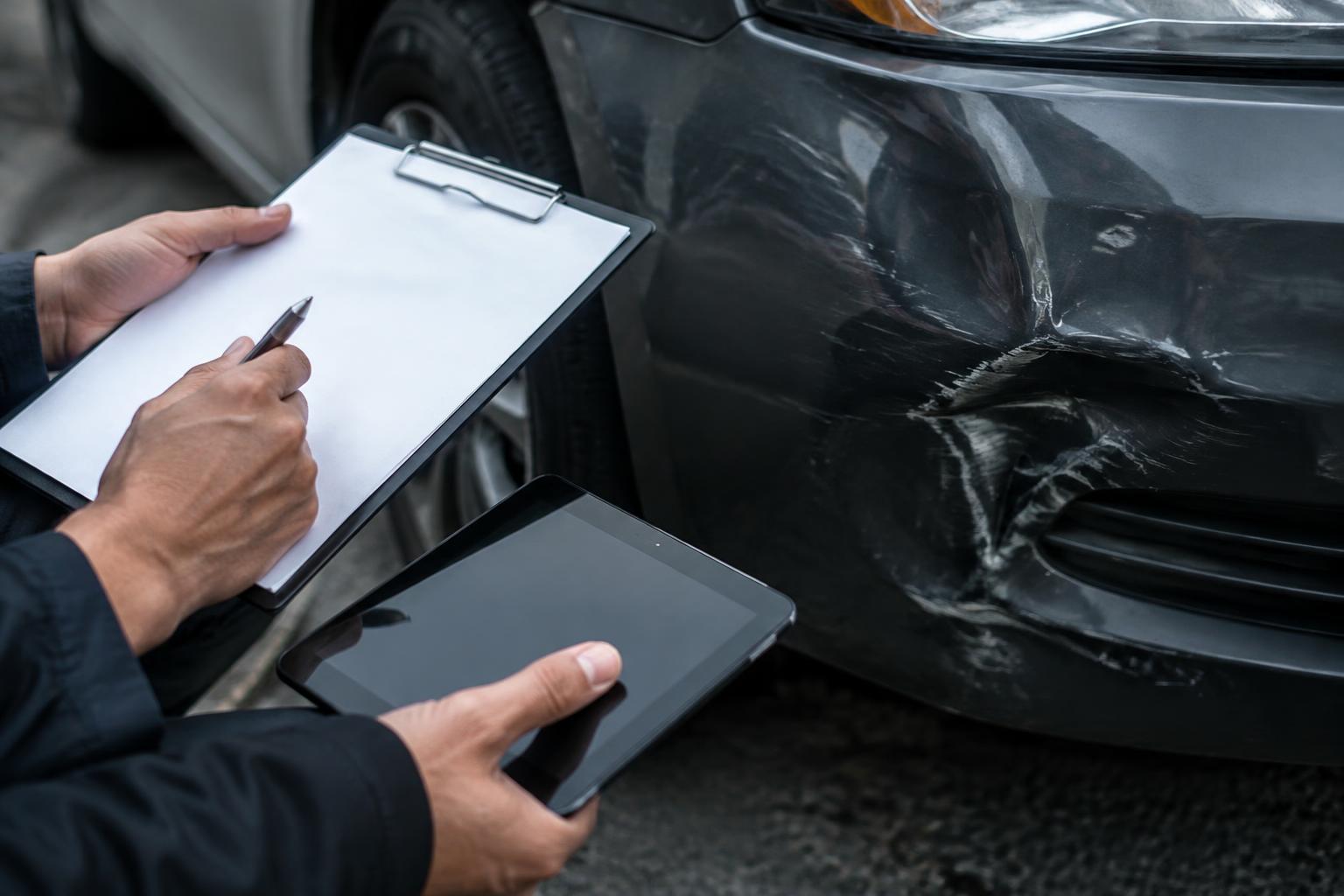
Documenting Personal Property Lost in the Accident
Beyond the vehicle itself, a crash can damage or destroy personal items inside the car, such as electronics, car seats, or other belongings. Many property damage claims allow for reimbursement of these items, provided they are properly documented with receipts or reasonable value estimates.
Keeping a simple inventory of damaged items, along with photos, can make this part of the claims process smoother and help ensure nothing is overlooked when the claim is submitted.
Dealing With Delays in the Property Damage Claims Process
While property damage claims often move faster than injury claims, delays can still occur, particularly when there is a dispute over fault or when multiple insurers are involved, such as in a multi-vehicle accident. Staying in regular contact with the adjuster and keeping written records of all communications can help keep the process moving.
If delays persist without a reasonable explanation, it may be worth escalating the matter within the insurance company or seeking outside guidance to understand your options.
How Long Does a Vehicle Property Damage Claim Take in Florida?
Straightforward property damage claims, where fault is clear and damage is limited, often resolve within a few weeks once an adjuster inspects the vehicle or reviews a repair estimate. Claims involving a total loss determination, a dispute over value, or multiple vehicles, such as in a multi-vehicle accident, can take longer to finalize.
How Comparative Fault Can Affect a Property Damage Claim
Even in a property damage dispute, Florida's comparative fault principles can come into play if liability is contested between drivers. If an insurer argues that you share some responsibility for the crash, this can reduce the amount recoverable for vehicle repairs or total loss value, similar to how fault allocation is weighed in rear-end collision disputes.
Clear documentation, including photographs and a timely police report, can help minimize disagreements over how fault should be divided between the parties involved.
How Comparative Fault Can Affect a Property Damage Settlement
When liability for a crash is disputed, an insurer may argue that you bear some responsibility, which can reduce the amount payable toward vehicle repairs or a total loss settlement under Florida's comparative fault framework. This is one reason it helps to document the scene thoroughly and obtain the police report soon after a collision such as a rollover accident where impact dynamics can be harder to reconstruct later.
If you disagree with how an insurer has allocated fault for property damage purposes, requesting the basis for that determination in writing can help clarify the dispute and support any appeal of the valuation.
How is the actual cash value of a totaled car determined after a Miami crash?
When a vehicle is declared a total loss after a rear-end collision or other impact, the insurance company calculates its 'actual cash value' (ACV). This is not what you paid for the car, but what it was worth on the open market immediately before the accident. Adjusters look at recent sales of similar makes and models in the Miami area, adjusting for mileage, options, and overall condition. They often use third-party databases to arrive at this figure. If you believe their valuation is too low, you can provide evidence of your own, such as records of recent significant maintenance, new tires, or local listings for comparable vehicles. It is important to remember that ACV is designed to compensate you for the loss of the asset, not necessarily to provide enough funds to buy a brand-new replacement vehicle.
When should I consider a diminished value claim for a repaired vehicle?
Even if your car is perfectly repaired, its resale value often drops simply because it now has an accident history. A diminished value claim seeks to recover this difference in market value. This is typically most viable for newer vehicles with significant damage that has been documented in a crash report. To succeed, you generally need to prove that a buyer would pay less for your car than for an identical one that has never been in an accident. Documenting the repairs and obtaining a professional appraisal of the vehicle's current value can strengthen your position. If you are struggling to get a fair assessment from an insurance company regarding the loss in your vehicle's value, you may want to contact our office to discuss how these claims are handled and what evidence is needed to support your demand for full compensation.
Serving all of Florida
Vehicle Property Damage Claims Guidance in Miami-Dade County and Across Florida
Orellana Law has one office in Miami and serves clients with vehicle property damage claims matters throughout Miami-Dade County and across the entire State of Florida. Wherever you are in the state, you can meet with the firm by phone or video. Contact the firm to discuss your situation.