
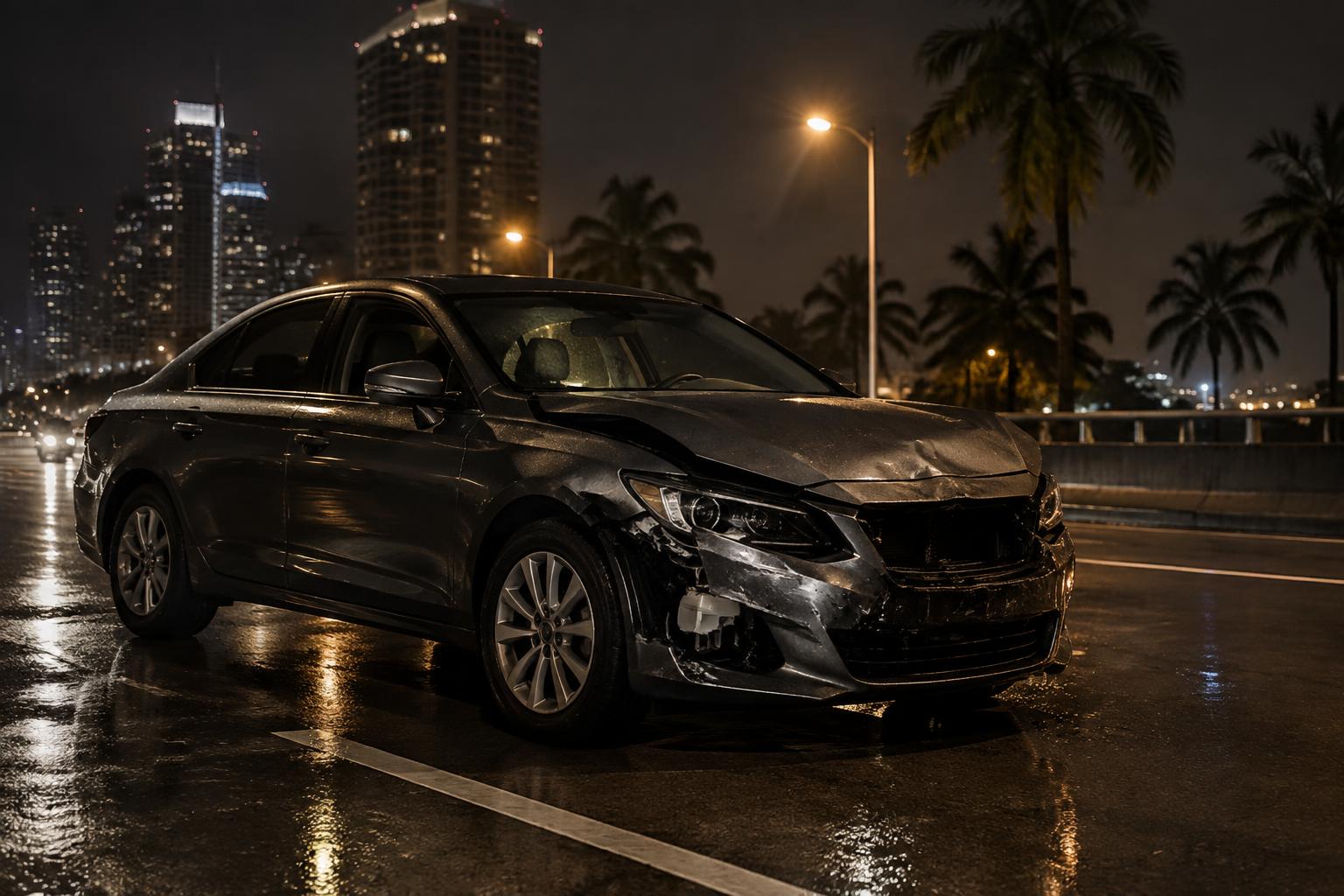
How Drunk Driving Accidents Differ From Other Car Crashes
Crashes involving an impaired driver often involve a criminal investigation alongside the civil insurance claim. Police may conduct field sobriety tests, breathalyzer tests, or blood draws, and the resulting evidence can become part of both the criminal case and any related civil claim. Unlike a straightforward rear-end collision, a DUI crash may involve additional evidence such as toxicology reports and arrest records.
These cases can also take longer to resolve because criminal proceedings sometimes run on a separate timeline from the civil insurance claim, and insurers may wait for certain criminal case outcomes before finalizing a settlement.
What Evidence Is Used in a Drunk Driving Claim
- Police reports documenting signs of impairment
- Breathalyzer or blood alcohol test results
- Witness statements describing erratic driving
- Surveillance footage from nearby businesses
- Criminal charging documents, if applicable
This evidence can help establish liability clearly, which may streamline the insurance claim process compared to accidents where fault is more disputed.
How Insurance Coverage Applies After a DUI Crash
Florida's no-fault system means your own PIP coverage typically applies first for initial medical treatment, regardless of the other driver's impairment. If your injuries meet Florida's threshold for additional damages, a claim against the drunk driver's bodily injury liability coverage may become relevant. If the impaired driver was uninsured or underinsured, your own uninsured motorist claims coverage may provide an additional path to recovery.
Some impaired drivers carry minimal insurance, which can leave a gap between the value of your damages and available coverage, making it important to review all potentially applicable policies.
Do I Need to Wait for the Criminal Case to Resolve?
Civil insurance claims and criminal DUI cases proceed on separate tracks, and a civil claim generally does not have to wait for a criminal conviction to move forward. However, evidence developed in the criminal case, such as a guilty plea or conviction, can sometimes support the civil claim. Insurers may still request updates on the criminal case status as they evaluate the claim.
Common Injuries in Drunk Driving Accidents
Impaired drivers often fail to brake, swerve unpredictably, or drive at excessive speeds, which can result in more severe crash dynamics than typical collisions. Injuries can include fractures, traumatic brain injuries, spinal injuries, and internal injuries. The severity of these crashes is one reason thorough medical documentation matters for both current treatment and future claim value.
Comparative Fault in Drunk Driving Cases
Even when a driver is impaired, Florida's comparative fault rules still apply, and insurers may look for ways to argue the victim contributed to the crash. Clear evidence of the other driver's impairment, combined with an accurate account of your own actions, helps counter attempts to shift blame. Comparative fault findings can directly affect how much compensation is available.
What to Do If You're Hit by a Suspected Drunk Driver
Immediate Steps
- Call 911 and report the crash, noting any signs of impairment you observed
- Avoid confronting the other driver directly
- Get contact information for any witnesses
- Seek medical attention promptly
- Follow up on the police report once it becomes available

Working Through Insurer Delays in DUI-Related Claims
Because DUI claims can involve waiting on criminal case developments, insurers sometimes use this as a reason to delay processing a civil claim. If you feel your claim is being unnecessarily held up, this resource explains some common reasons claims stall and what factors may be at play.
How DUI Convictions Can Influence a Civil Claim
While a civil claim does not require a criminal conviction to proceed, a guilty plea or conviction in the criminal case can sometimes serve as persuasive evidence in the related civil matter. Some jurisdictions allow certain criminal findings to be referenced in civil proceedings, though the exact rules can be technical. Even without a conviction, evidence gathered during the criminal investigation, such as field sobriety test results or witness statements taken by police, may still be usable in pursuing your insurance claim.
It's worth understanding that acquittal in a criminal DUI case doesn't automatically mean a civil claim will fail, since the standards of proof differ between criminal and civil proceedings.
Dealing With Emotional and Financial Impact After a DUI Crash
Being injured by an impaired driver can bring frustration in addition to physical pain, especially knowing the crash may have been entirely preventable. Beyond medical bills, victims often face lost wages, vehicle repair costs, and ongoing rehabilitation expenses. Keeping organized records of all crash-related expenses, including mileage to medical appointments and receipts for related purchases, helps ensure nothing is overlooked when the claim is calculated. Consistent follow-through with recommended medical treatment also supports the credibility and value of your claim over time.
How Long Does a Drunk Driving Injury Claim Take in Florida?
Drunk driving claims can take longer than an average car accident claim, particularly when the civil claim is affected by the pace of a related criminal case. Some insurers prefer to wait until criminal charges are resolved before finalizing a settlement, while others proceed once liability is reasonably clear from the police report and toxicology results. The severity of injuries also affects timing, since claims involving ongoing treatment typically aren't valued until the full extent of medical needs is better understood.
If you feel your DUI-related claim is taking longer than it should without clear explanation, reviewing this resource on claim delays can help you understand common reasons for slow processing.
What Evidence Helps Prove a Drunk Driving Claim?
Beyond breathalyzer and blood test results, evidence such as open container observations noted by police, witness accounts of erratic driving before the crash, and surveillance footage from bars or restaurants the driver may have visited can all support a drunk driving claim. Officer body camera footage, when available, sometimes captures signs of impairment during field sobriety testing.
Because impairment evidence can be technical, having a clear record of exactly what was documented, and when, helps ensure nothing gets overlooked as the claim moves through both the civil and any related criminal process.
Mistakes to Avoid After a Drunk Driving Accident
Victims sometimes assume that because the other driver was clearly impaired, their claim will be simple and quick, which isn't always the case. Failing to seek prompt medical attention, missing follow-up appointments, or giving informal statements to the other driver's insurer without preparation can all complicate an otherwise strong claim.
Another common mistake is not documenting the full scope of damages, including future medical needs for severe injuries, which can lead to a claim being undervalued if resolved too quickly.
Serving all of Florida
Drunk Driving Accidents Guidance in Miami-Dade County and Across Florida
Orellana Law has one office in Miami and serves clients with drunk driving accidents matters throughout Miami-Dade County and across the entire State of Florida. Wherever you are in the state, you can meet with the firm by phone or video. Contact the firm to discuss your situation.