
How Hurricane Damage Claims Work in Florida
After a hurricane or tropical storm, homeowners typically report damage to their insurer, who assigns an adjuster to inspect the property. Because hurricanes affect large numbers of policyholders at once, insurers often face a surge of claims, which can lead to longer wait times for inspections and decisions. Some claims are handled by independent adjusters hired temporarily to manage the volume.
The overall claims process follows the same basic structure described on our property insurance claims page, but hurricane claims often involve additional complexity due to the scale of damage and the number of claims filed in a short period.
Wind vs. Flood: A Key Distinction in Storm Claims
One of the most important issues in a hurricane claim is determining whether damage was caused by wind or by flooding, since standard homeowners policies typically exclude flood damage while covering wind. Rising water from storm surge is usually treated as flood damage requiring separate flood coverage, while wind-driven rain that enters through a damaged roof or broken window is often treated differently.
Because both wind and water can affect the same property during a single storm, insurers sometimes attribute more of the damage to flooding than a homeowner believes is accurate. Careful documentation of when and how water entered the home can be important in these disputes.
Common Types of Hurricane Damage
Hurricanes can cause a wide range of damage to a single property, and different types of damage may be evaluated separately within the same claim.
- Roof damage from wind uplift, missing shingles, or debris impact, covered in more detail on our roof damage claims page
- Interior water intrusion following roof or window failures, discussed under water damage claims
- Mold growth resulting from prolonged moisture, addressed on our mold damage claims page
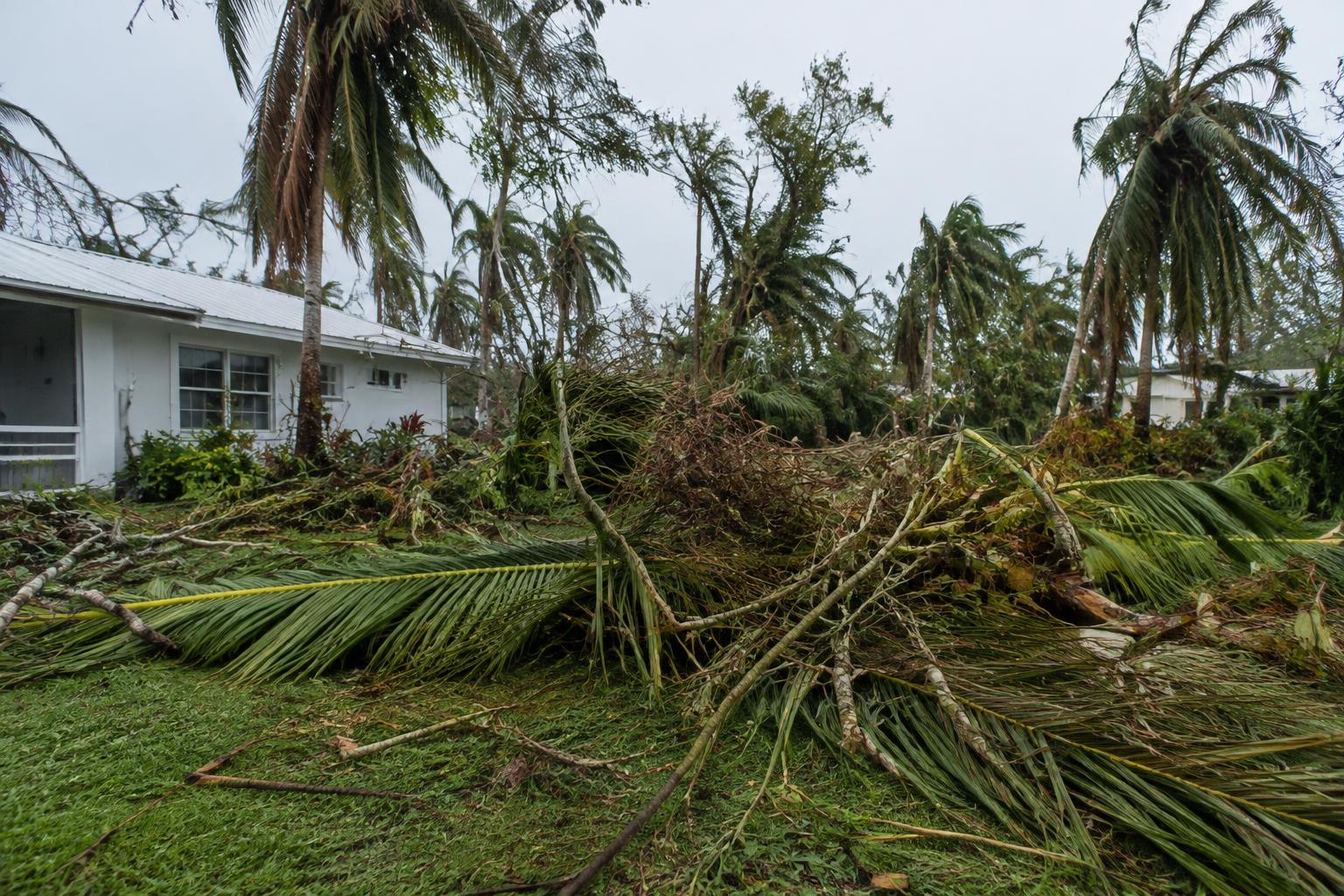
- Structural damage from fallen trees or wind-borne debris
- Loss of use or additional living expenses while repairs are made
Why Are Hurricane Claims Often Delayed?
The sheer volume of claims filed after a major storm can slow down every stage of the process, from scheduling an inspection to issuing a final decision. Insurers may also request additional documentation more than once, especially when a claim involves multiple types of damage that require separate review.
Some delays stem from disputes over the cause of damage, particularly when wind and water both played a role. Why insurance claims get delayed or undervalued covers several reasons claims slow down, many of which apply directly to hurricane-related losses.
Documenting Hurricane Damage Before and After Repairs
Thorough documentation is especially important after a hurricane, since damage can worsen quickly if not addressed and because insurers scrutinize storm claims closely given their frequency and cost. Photograph and video every affected area before making any repairs, including exterior damage, roof condition, and any water intrusion inside the home.
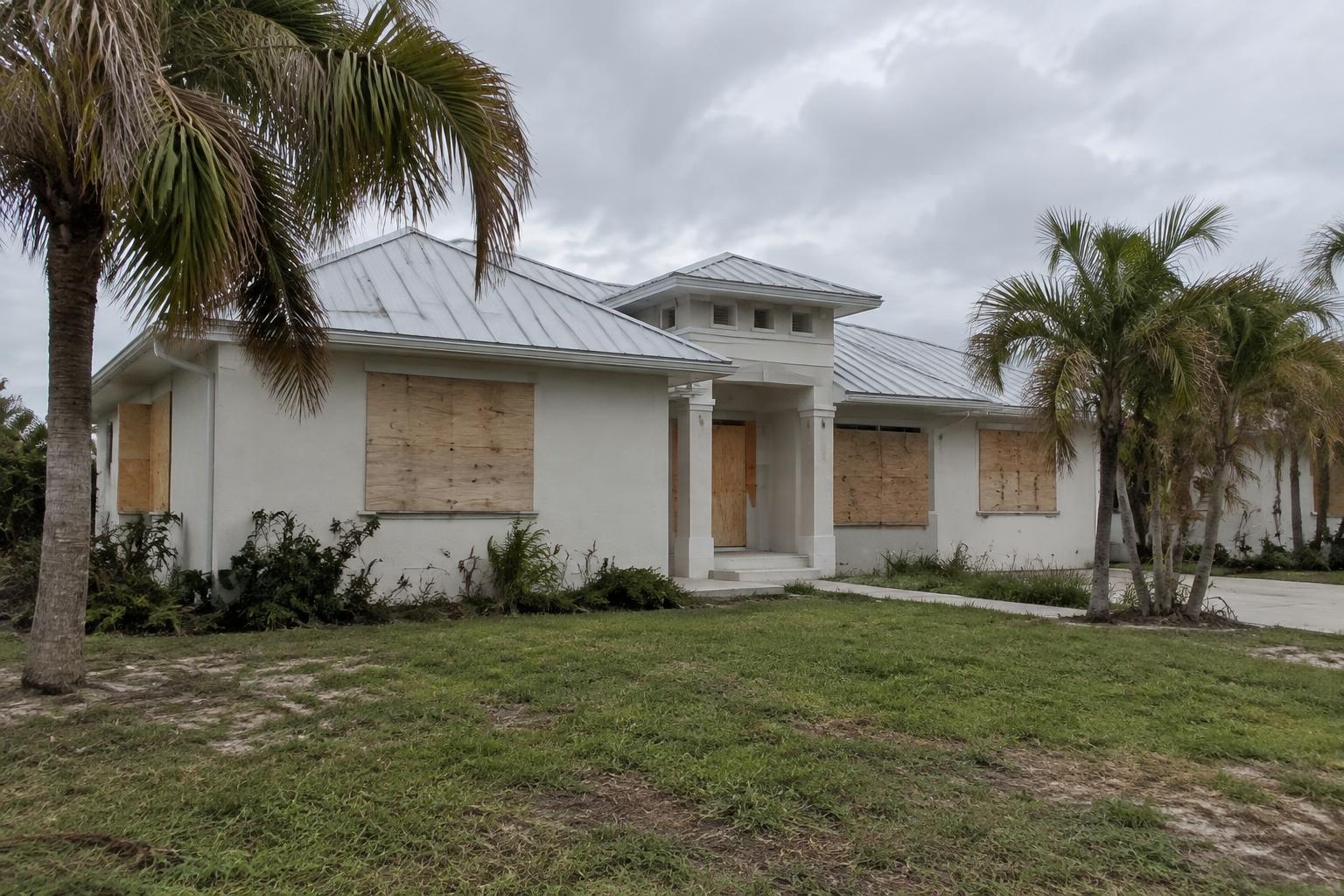
Keep records of any temporary repairs, such as tarps or boarded windows, along with receipts, since policies generally expect reasonable steps to prevent further damage. Save all correspondence with your insurer, including the claim number, adjuster contact information, and inspection dates.
What If Your Hurricane Claim Is Denied or Underpaid?
Hurricane claims are denied or underpaid for many of the same reasons that apply to other property claims, including disputes over the cause of loss, pre-existing damage allegations, or depreciation calculations that seem disconnected from the property's actual condition. Given the scale of hurricane damage, underpayment disputes are especially common when roof and interior damage are evaluated separately.
If your hurricane claim was denied, our denied insurance claims page explains common reasons and next steps. If the issue is a low settlement rather than an outright refusal, see underpaid insurance claims for guidance specific to that situation.
Deadlines and Notice Requirements After a Hurricane
Florida law sets time limits that can affect hurricane damage claims, and these deadlines can be easy to overlook amid the disruption of storm recovery. Policies also typically include their own notice requirements specifying how quickly damage must be reported after it is discovered.
Because hurricane claims often involve public attention and heightened insurer scrutiny, it is especially important to keep track of every deadline mentioned in correspondence from your insurer and to respond within the stated timeframe whenever possible.
How Long Does a Hurricane Damage Claim Take in Florida?
Timing after a major storm depends heavily on how many other homeowners were affected in the same area. During a widespread hurricane, insurers may take weeks longer than usual just to schedule an initial inspection, and decisions can be delayed further when a claim involves both wind and water damage that must be evaluated separately.
Smaller, more contained losses, such as isolated roof damage from a lesser storm, often move faster since fewer competing claims are in the queue. Keeping thorough records and responding quickly to any insurer request tends to help regardless of storm size.
Mistakes to Avoid After Hurricane Damage
The chaos following a major storm can lead to avoidable errors that complicate a claim later. Being aware of a few common missteps can help homeowners protect their position from the start.
- Delaying temporary repairs, such as tarping, which can allow damage to worsen
- Discarding storm debris or damaged materials before they are photographed
- Not distinguishing wind damage from flood damage when reporting the loss
- Accepting a quick settlement offer without comparing it to a contractor estimate
- Missing a policy's separate hurricane deductible when reviewing a payout
Miami-Dade Hurricane Claims vs. Claims Elsewhere in Florida
Miami-Dade County's coastal location and stringent wind-borne debris building codes create a distinct claims environment compared to inland parts of the state. Homes built to more recent Miami-Dade code requirements may have different roofing and window standards that affect how an adjuster evaluates storm damage, while coastal exposure raises the frequency of wind-versus-flood disputes.
Wherever in Florida a hurricane claim arises, the same fundamentals apply: document damage thoroughly, understand your policy's wind and flood provisions, and respond promptly to insurer requests. Orellana Law, P.A. is based in Miami and reviews hurricane damage claims for property owners throughout the state, including our broader property insurance claims practice.
How an Attorney Can Help With a Hurricane Damage Claim
An attorney can help review your policy's wind and flood provisions, evaluate the insurer's estimate against independent contractor bids, and assist with documentation or reconsideration requests when a hurricane claim is denied or underpaid. This kind of review can be especially useful when damage from wind and water overlap and the insurer's explanation is unclear.
Orellana Law, P.A. helps Florida homeowners and business owners navigate hurricane damage claims after major storms. Request a free consultation to discuss your claim, or visit our property insurance claims hub to explore related topics.
Serving all of Florida
Hurricane Damage Claims Guidance in Miami-Dade County and Across Florida
Orellana Law has one office in Miami and serves clients with hurricane damage claims matters throughout Miami-Dade County and across the entire State of Florida. Wherever you are in the state, you can meet with the firm by phone or video. Contact the firm to discuss your situation.