
What Counts as an Underpaid Insurance Claim?
An underpaid claim occurs when an insurer approves coverage but issues a payment that falls short of what it actually costs to repair or replace the damaged property. This differs from a denial, where the insurer refuses to pay at all. Underpayment can affect the entire claim or just one portion of it, such as roof repairs being approved while interior damage is left out.
Homeowners often do not realize a settlement is too low until they receive contractor bids for the actual repair work. If your claim was refused outright rather than underpaid, see our denied insurance claims page instead.
Why Do Insurance Companies Underpay Property Claims?
Underpayment can result from several factors, not all of which involve bad faith. Estimating software used by adjusters sometimes relies on regional pricing averages that do not reflect current material and labor costs. Adjusters may also miss damage that is not visible during a walk-through inspection, such as moisture trapped behind walls or under flooring.
In other cases, the insurer applies depreciation more heavily than the item's actual condition supports, or excludes code-required upgrades that a contractor says are necessary to complete the repair properly. Why insurance claims get delayed or undervalued discusses these patterns in more detail.
ACV, RCV, and Depreciation in Underpaid Claims
Understanding how your payout was calculated is essential to spotting an underpayment. Actual cash value (ACV) reduces the payout based on the age and condition of damaged materials, while replacement cost value (RCV) reflects the cost of new materials at current prices. Many policies pay ACV up front and release the remaining depreciation once repairs are completed and documented with receipts.
If the depreciation applied to your roof, flooring, or cabinetry seems disproportionate to their actual condition, it is worth requesting an itemized breakdown from the insurer showing exactly how each figure was calculated.
How to Identify a Lowball Settlement Offer
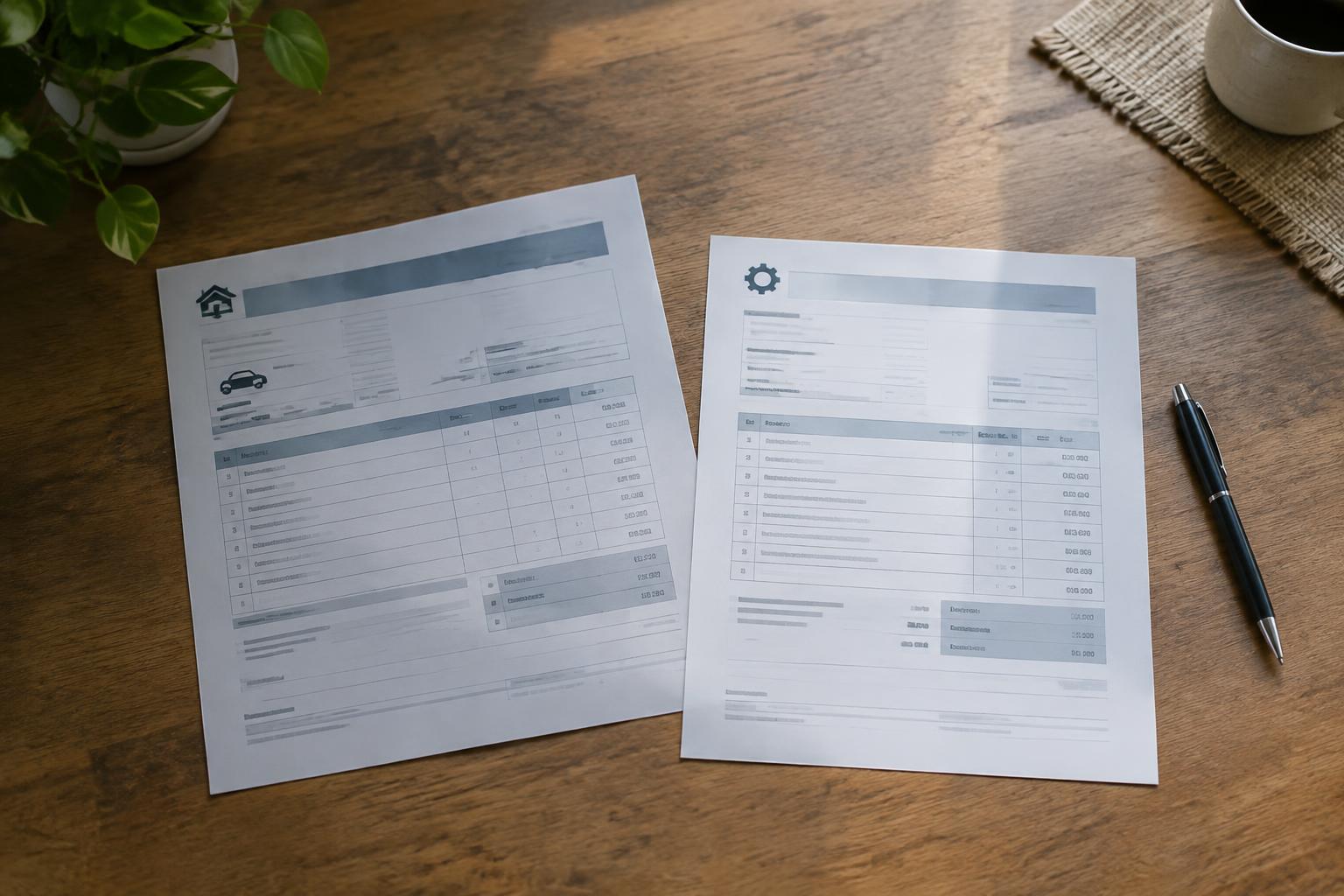
Comparing your insurer's estimate against an independent contractor bid is the most direct way to identify a gap. Look closely at quantities, such as square footage of roofing or flooring, as well as labor rates and whether the estimate accounts for matching materials when only part of a surface is damaged.
- Missing line items for materials or labor visible in your contractor's bid
- Unusually low unit pricing compared to local rates
- No allowance for matching existing materials
- Heavy depreciation applied to recently replaced components
- Omission of code-required upgrades your contractor says are necessary
When Your Claim Payment Is Too Low
If the payment falls short of the actual cost of repair, our guide on delayed and undervalued insurance claims explains what the insurer must provide and the steps and deadlines that apply.
When Does Appraisal Make Sense for an Underpaid Claim?
Appraisal is a process built into many Florida property policies specifically for disputes over the amount of loss, rather than whether coverage exists at all. Each side selects an independent appraiser, and if they cannot agree, a neutral umpire resolves the difference. This process can be useful when both sides agree coverage applies but disagree significantly on the dollar figure.
Appraisal is not always the right fit for every underpayment dispute, particularly when there is also a disagreement about coverage itself. Reviewing your specific policy language and claim history with our property insurance team can help clarify whether appraisal is a reasonable next step.
Underpayment Patterns by Damage Type
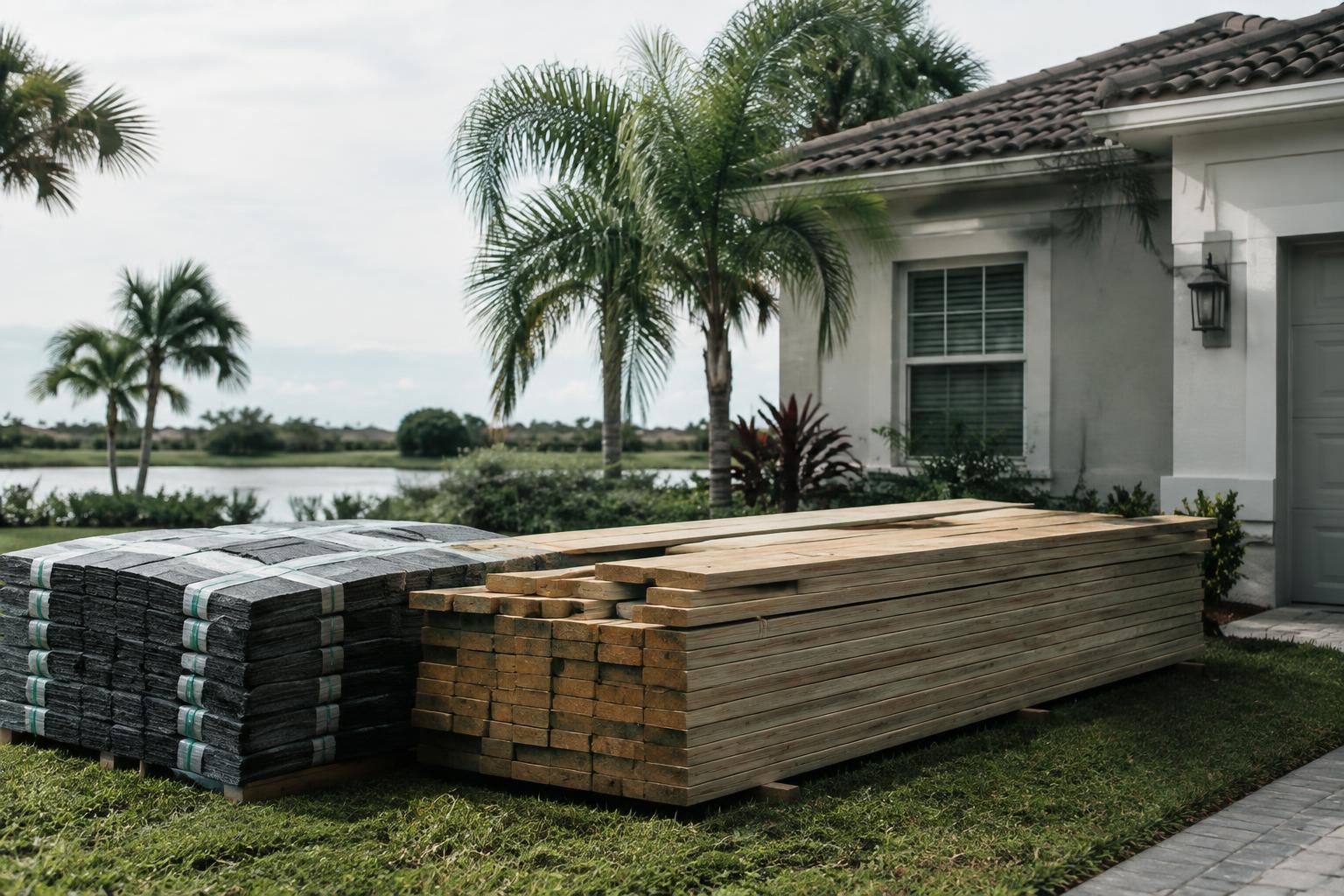
Certain types of damage tend to generate recurring underpayment disputes. Roof claims often involve disagreements about whether the entire roof needs replacement or just a section, especially when matching shingles are no longer available. Water damage claims can be underpaid when mitigation costs, such as drying equipment and mold prevention, are not fully accounted for.
If your dispute centers on one of these categories, our roof damage claims and water damage claims pages go into more detail about the specific issues that arise. Storm-related underpayments are also common after major weather events, which our hurricane damage claims page addresses directly.
How Long Does It Take to Resolve an Underpayment Dispute?
Resolving an underpayment often depends on how much supporting documentation is available and how quickly both sides exchange information. A straightforward gap supported by a clear contractor bid may be resolved through negotiation within a few weeks. Disputes that move to appraisal or involve multiple categories of damage, such as roofing and interior repairs evaluated separately, can take considerably longer.
Homeowners can often help move the process along by promptly providing requested documentation and keeping a clear written record of every communication with the adjuster.
Mistakes to Avoid When Disputing an Underpaid Claim
Some responses to a low settlement offer can inadvertently make the dispute harder to resolve. Being aware of a few common pitfalls can help homeowners build a stronger case for additional payment.
- Accepting the payment without first comparing it to an independent estimate
- Starting repairs before documenting the full scope of damage
- Relying on a single verbal conversation instead of written correspondence
- Failing to ask for an itemized breakdown of how the payment was calculated
- Waiting too long to request reconsideration or invoke appraisal
How Policy Conditions Affect an Underpayment Dispute
Even when coverage is accepted, certain policy conditions can influence how much is ultimately paid. For example, some policies reduce a payout if the homeowner did not maintain adequate coverage limits relative to the property's replacement cost, a provision sometimes called a coinsurance clause. Others tie full replacement cost payment to timely, documented completion of repairs.
Understanding which conditions apply to your policy can clarify whether an underpayment reflects a legitimate policy limitation or a calculation that deserves a closer look. Our property insurance claims page explains how these policy terms generally fit into the broader claims process, and reviewing your declarations page alongside any depreciation schedule can reveal whether the insurer applied conditions correctly for your specific loss.
How an Attorney Can Help With an Underpaid Claim
An attorney can review your policy, the insurer's estimate, and your contractor's bid to identify where the numbers diverge and whether the gap is supportable. From there, they can help communicate with the insurance company, request reconsideration, or evaluate whether appraisal or another option fits your situation.
Orellana Law, P.A. reviews underpaid property insurance claims for homeowners across Florida. Request a free consultation to discuss your settlement offer and find out what steps may help close the gap.
Serving all of Florida
Underpaid Insurance Claims Guidance in Miami-Dade County and Across Florida
Orellana Law has one office in Miami and serves clients with underpaid insurance claims matters throughout Miami-Dade County and across the entire State of Florida. Wherever you are in the state, you can meet with the firm by phone or video. Contact the firm to discuss your situation.