

What Does It Mean When a Property Claim Is Denied?
A denied claim means the insurer has decided, based on its investigation, that it will not pay for some or all of the reported damage. Florida insurers are generally required to explain the specific reason for the denial in writing, which gives homeowners a starting point for evaluating whether the decision is accurate. A denial is not the same as fraud or wrongdoing on the homeowner's part; it simply reflects the insurer's position at that point in the process.
Denials differ from underpayments, where the insurer accepts the claim but offers less than the cost of repairs. If your situation involves a low payment rather than an outright refusal, our underpaid insurance claims page covers that scenario.
Common Reasons Florida Insurers Deny Property Claims
Insurers cite a range of reasons for denying claims, and not all of them hold up once the full facts and documentation are reviewed. Recognizing the stated reason is the first step toward responding effectively.
- The insurer says the damage existed before the policy period or reported event
- The cause of loss is classified as an excluded peril, such as flood or gradual wear
- The policyholder allegedly missed a notice or reporting deadline
- Documentation submitted was considered incomplete
- The insurer disputes that the reported cause matches the visible damage
- A prior claim or repair was not disclosed
How to Read and Respond to a Denial Letter
A denial letter typically cites specific policy provisions the insurer relied on. Reading these provisions against your actual policy language, not just the letter's summary, can reveal whether the stated basis actually applies to your situation. It also helps to request the insurer's full claim file, including inspection notes and photos, so you can see exactly what the adjuster observed.
From there, homeowners typically gather any documentation that was missing or overlooked, such as additional photos, repair estimates, or expert opinions, and submit a written response. What to do when your insurance claim is denied walks through this process in more detail.
Can You Appeal a Denied Insurance Claim in Florida?
There is no formal government appeal process for a private property insurance denial, but policyholders can request reconsideration directly from the insurer, provide additional evidence, or pursue other options such as appraisal for disputes limited to the amount of loss. Some policies include specific provisions for reopening a claim when new information comes to light.
If informal efforts do not resolve the dispute, homeowners sometimes consider further legal options. This is often the point at which having your file reviewed by our property insurance team can clarify what paths remain available.
Denials Tied to Specific Types of Damage
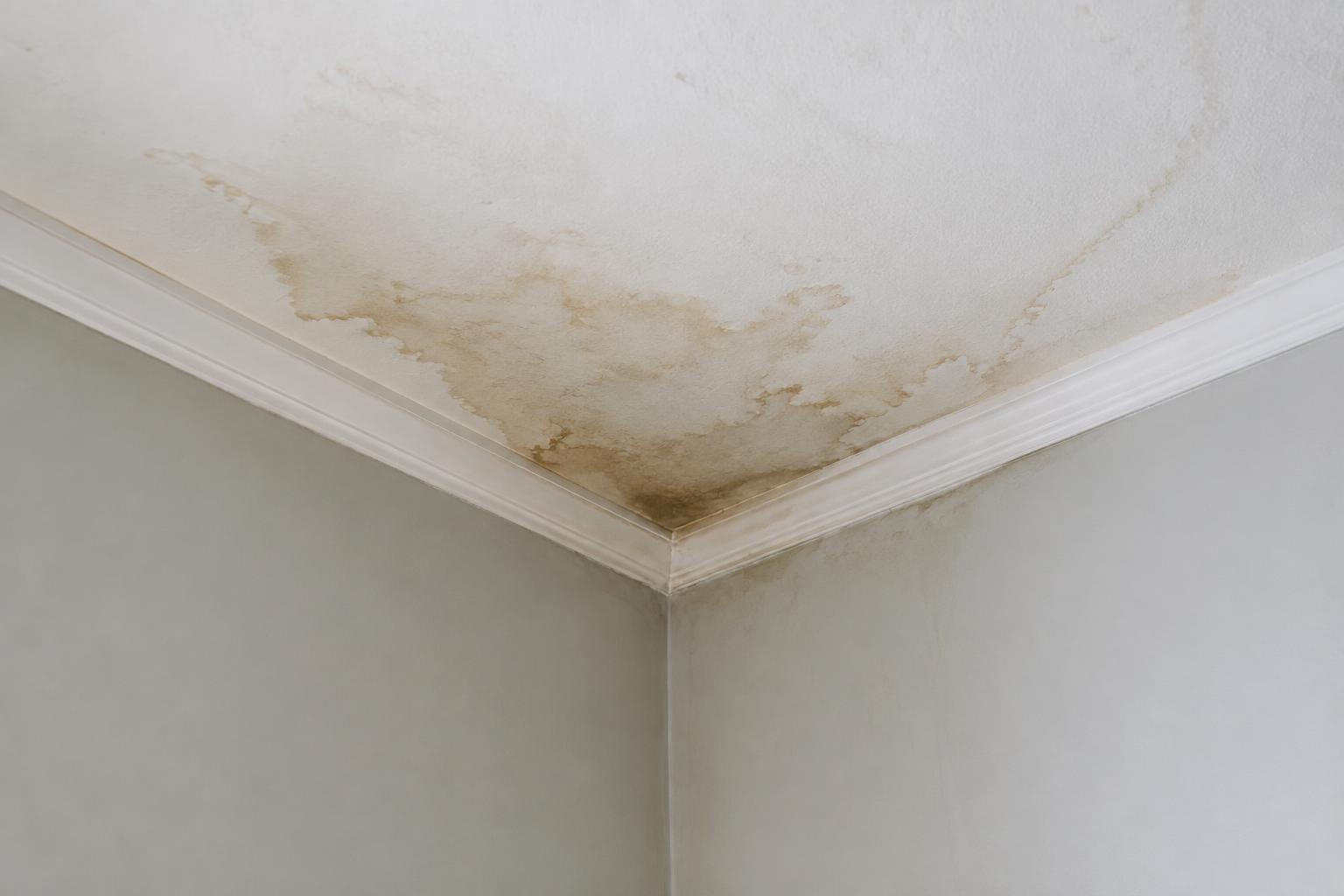
Certain categories of loss tend to generate their own recurring denial patterns. Roof claims are frequently denied or limited over disputes about roof age and whether damage is storm-related or simply deterioration. Water damage claims raise questions about whether a leak was sudden or long-term, since many policies exclude the latter. Mold claims often face denial based on policy sublimits or exclusions tied to how the moisture originated.
If your denial involves one of these specific damage types, see roof damage claims, water damage claims, or mold damage claims for issues specific to that category.
What Evidence Helps Challenge a Denial?
Strong evidence can shift the trajectory of a denied claim. This generally includes detailed photographs from before and after the loss when available, independent contractor estimates, weather data corroborating a storm event, and any maintenance records showing the property was reasonably maintained. In some cases, an independent inspection or engineering report can directly address the insurer's stated reason for denial.
Organizing this evidence clearly, and matching each piece to the specific denial reason cited, tends to be far more effective than submitting a general objection without support.
Timing Matters After a Denial
Florida law sets time limits that can affect your ability to challenge a denied claim, and policies often include their own internal deadlines for reconsideration requests or supplemental documentation. Waiting too long to respond can limit your options, even when the underlying denial reason is questionable.
Because these timeframes can be easy to miscalculate, it is worth reviewing your denial letter and policy promptly rather than setting the matter aside. If your claim involved storm damage specifically, our hurricane damage claims page discusses additional timing considerations unique to storm-related losses.
How Long Does It Take to Resolve a Denied Property Claim?
There is no fixed timeline for resolving a denial, since it depends on how quickly the homeowner responds, how the insurer reacts to new evidence, and whether the matter moves toward appraisal or further legal review. A denial addressed promptly with strong documentation may be reconsidered within weeks, while a more complicated dispute involving conflicting expert opinions can take considerably longer.
Acting quickly after receiving a denial letter, rather than waiting, generally puts homeowners in a stronger position, since evidence such as fresh photos or contractor availability can become harder to gather as time passes.
Mistakes to Avoid After a Property Claim Denial
Homeowners sometimes unintentionally weaken their position after receiving a denial letter. Avoiding a few common mistakes can preserve options for challenging the decision effectively.
- Assuming the denial is final without reading the full stated reason
- Discarding damaged materials before they are inspected or photographed
- Missing the deadline to request reconsideration or submit additional evidence
- Signing a release or settlement document without understanding its terms
- Failing to request the insurer's complete claim file
How Policy Conditions Affect a Denied Claim
Most property policies include conditions homeowners must meet to preserve coverage, such as prompt reporting, cooperation with the investigation, and reasonable steps to prevent further damage after a loss. An insurer may cite a failure to meet one of these conditions as part of a denial, even when the underlying cause of loss would otherwise be covered.
Reviewing exactly which condition the insurer says was not met, and gathering evidence showing it was, can be an important part of responding to this type of denial. Our property insurance claims page outlines the documentation habits that help homeowners meet these conditions from the start.
How an Attorney Can Help After a Denied Claim
An attorney can review the denial letter, your policy, and the insurer's claim file to assess whether the stated reason is supported by the facts. From there, they can help organize a response, communicate with the insurance company, and evaluate whether further options, such as appraisal or additional negotiation, make sense given your specific circumstances.
Orellana Law, P.A. reviews denied property insurance claims for homeowners throughout Florida. Request a free consultation to discuss the denial letter you received and go over what options may be available.
Serving all of Florida
Denied Insurance Claims Guidance in Miami-Dade County and Across Florida
Orellana Law has one office in Miami and serves clients with denied insurance claims matters throughout Miami-Dade County and across the entire State of Florida. Wherever you are in the state, you can meet with the firm by phone or video. Contact the firm to discuss your situation.