
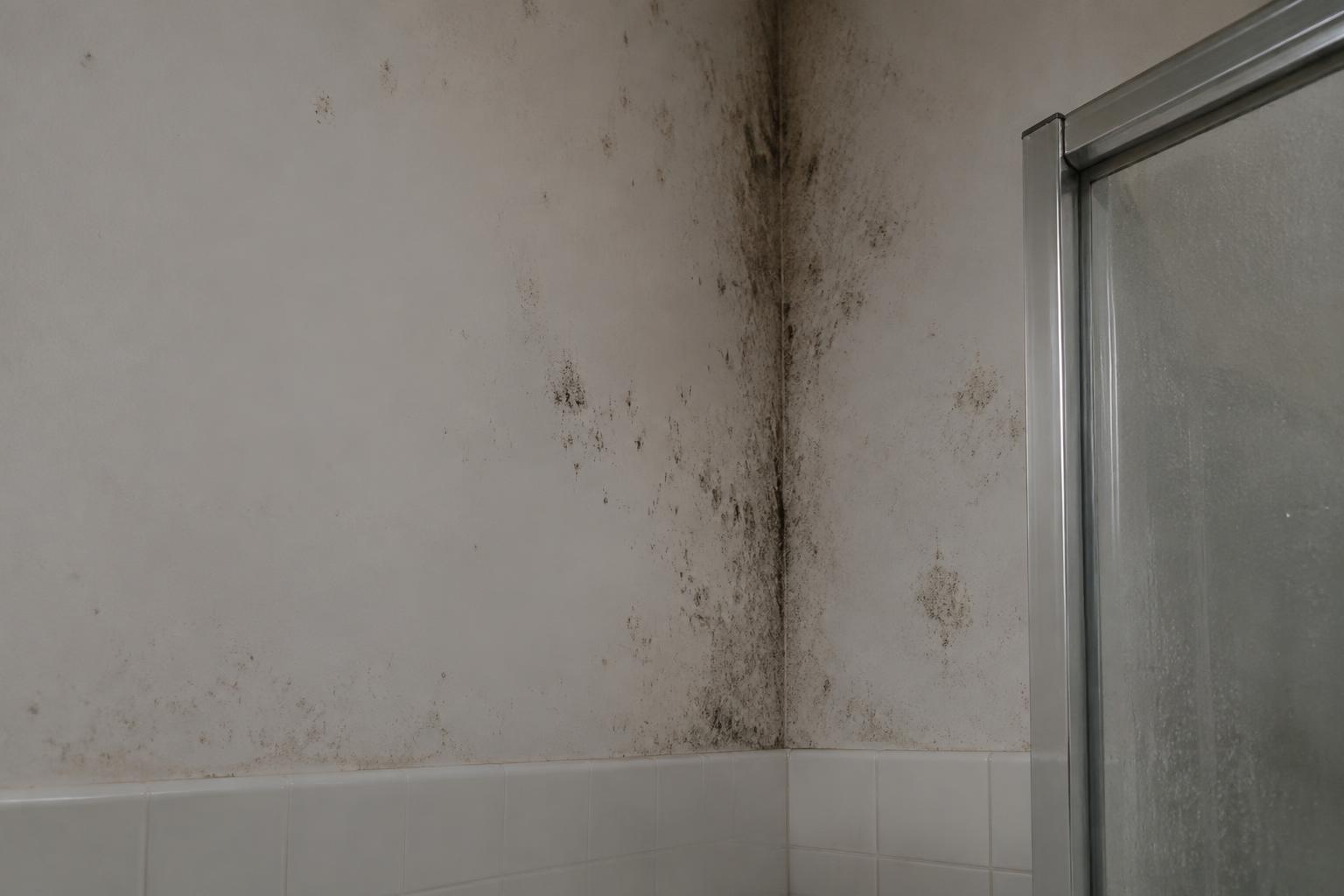
How Mold Damage Develops in Florida Homes
Florida's warm, humid climate creates ideal conditions for mold growth whenever moisture is present for an extended period. Mold commonly develops after an undetected roof leak, plumbing failure, air conditioning condensation issue, or storm-related water intrusion. In many cases, mold growth can begin within 24 to 48 hours of sustained moisture exposure, making prompt drying and repair critical.
Because mold often grows in hidden spaces like wall cavities, behind baseboards, or under flooring, homeowners may not realize the extent of an infestation until it causes a noticeable odor, visible staining, or health-related symptoms.
Is Mold Damage Covered by Homeowners Insurance in Florida?
Most Florida homeowners policies provide limited coverage for mold damage, often subject to a specific sublimit far lower than the overall dwelling coverage amount. Coverage typically depends on whether the mold resulted from a sudden, covered water event, such as a burst pipe, versus long-term seepage or lack of maintenance, which insurers often exclude.
Sublimits and Their Impact on Recovery
Even when mold coverage applies, a policy's mold sublimit, sometimes just a few thousand dollars, may fall far short of the actual cost of professional remediation, especially in cases involving extensive contamination. Reviewing your specific policy language is important to understand what sublimit, if any, applies to your claim.
How Insurers Investigate Mold Claims
When a mold claim is filed, insurers often send an adjuster or independent inspector to assess the extent of contamination and attempt to determine its cause. They may request air quality testing, moisture readings, and documentation of when the underlying water source was discovered and addressed.
A key focus of this investigation is timing: insurers look for evidence suggesting the mold developed over an extended period due to a slow, undetected leak rather than a sudden event. This is why mold claims are so closely connected to the underlying water damage claim that caused the moisture in the first place.
Common Reasons Mold Claims Are Denied or Underpaid
Mold claims are frequently denied on the basis that the homeowner failed to address a known leak promptly, that the mold resulted from ordinary humidity or condensation rather than a specific covered event, or that the damage exceeds the policy's mold sublimit. Underpayment can occur when an insurer's remediation estimate fails to account for the full scope of contamination, including materials that need to be removed rather than simply cleaned.
If your mold claim was denied, reviewing why insurance claims get delayed or undervalued can help you understand common insurer tactics before deciding how to respond.
Steps to Take When You Discover Mold in Your Home
If you find mold in your home, documenting the discovery and the underlying moisture source is critical to supporting a claim.
- Photograph the mold growth and any related moisture source, such as a leaking pipe or roof stain.
- Avoid disturbing the mold excessively before it has been documented and, if needed, professionally tested.
- Address the underlying moisture source promptly to prevent further growth.
- Obtain a remediation estimate from a qualified mold or restoration professional.
- Report the discovery to your insurer and request clarification on your policy's mold coverage and sublimits.
Mold Damage After a Hurricane or Major Storm
Mold problems often surface weeks after a hurricane or major storm, once excess moisture from roof leaks, flooding, or extended power outages (which disable air conditioning and dehumidification) has had time to settle into building materials. For storm-related losses that led to mold growth, see our hurricane damage claims page for additional information on how storm-related coverage disputes are handled.
Because post-storm mold claims often overlap with disputes about wind versus water causation, they can be especially complex to evaluate and may benefit from a careful review of the entire claim history.
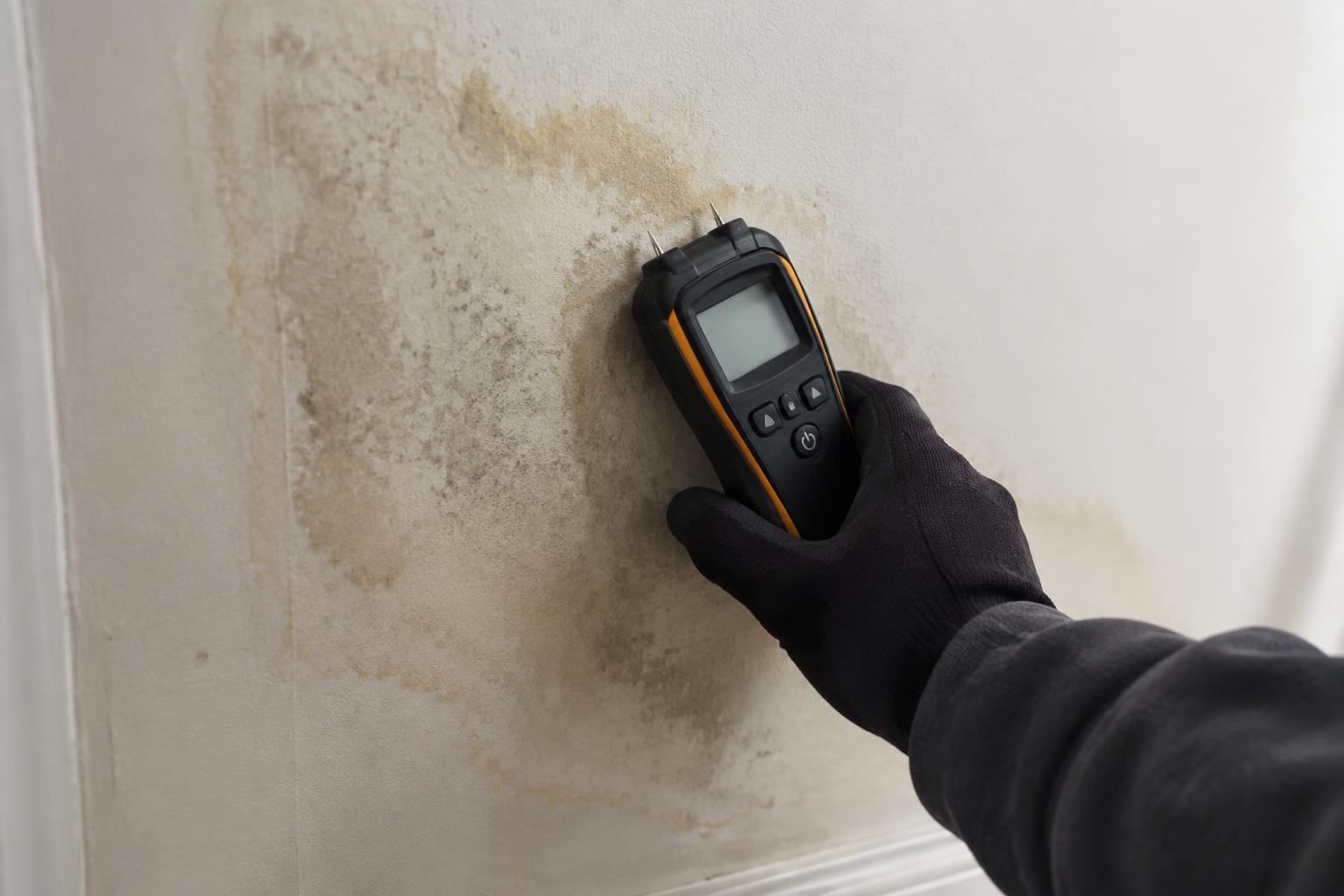
Protecting Your Health and Your Claim
Beyond property damage, some homeowners report health-related symptoms associated with mold exposure, such as respiratory irritation. While insurance claims focus on property damage rather than personal injury, documenting health concerns alongside property damage can provide a fuller picture of the impact mold has had on your household.
If mold has made portions of your home unsafe to occupy, keep records of any temporary relocation expenses, as these may be relevant depending on your policy's coverage terms.
Preventing Mold Growth Before It Starts
Because mold thrives on sustained moisture, one of the best ways to avoid a mold dispute is addressing leaks and water intrusion quickly, whether from a roof, plumbing fixture, or air conditioning system. Routine maintenance, checking for hidden leaks behind appliances, and ensuring proper attic and bathroom ventilation can all help reduce the conditions that allow mold to take hold.
If your home has previously experienced a water event, even a minor one, keeping records of when it occurred and how it was addressed can be valuable later if mold is discovered and its cause becomes a point of dispute with your insurer.
Getting Help With a Denied or Underpaid Mold Claim
Our property insurance team reviews mold sublimits, remediation estimates, and the underlying cause of loss to help homeowners understand whether their claim has been handled fairly. We discuss the fee arrangement for your matter during your free consultation, and this guide reflects general information rather than legal advice for your specific claim.
If your mold damage claim was denied or the payout didn't reflect the true scope of remediation needed, reach out for a free consultation to discuss your options with our team.
How Long Does a Mold Damage Claim Take in Florida?
Mold claims often take longer than typical water damage claims because insurers frequently require additional documentation, such as air quality testing or a detailed remediation scope, before approving coverage. The presence of a sublimit can also prompt extra scrutiny, since the insurer wants confidence that the payout doesn't exceed the mold-specific cap.
Florida law sets time limits that can affect your claim, and keeping a clear timeline of when the underlying leak was discovered, reported, and addressed can help move the process along. Claims involving disputes over sudden versus gradual causation, much like those seen in water damage claim disputes, tend to take the longest to resolve.
Mistakes to Avoid After Discovering Mold
A common mistake is waiting too long to address the underlying moisture source, which can allow an insurer to argue the damage worsened due to neglect. Another is disturbing or cleaning visible mold before it has been photographed or tested, which can make it harder to later document the extent of contamination.
Homeowners should also avoid assuming mold is automatically excluded or automatically covered, and reviewing our denied insurance claims page can offer helpful general context. Coverage depends heavily on the specific cause and your policy's sublimit language, so reviewing the actual policy provisions before accepting an insurer's initial position is an important step.
Serving all of Florida
Mold Damage Claims Guidance in Miami-Dade County and Across Florida
Orellana Law has one office in Miami and serves clients with mold damage claims matters throughout Miami-Dade County and across the entire State of Florida. Wherever you are in the state, you can meet with the firm by phone or video. Contact the firm to discuss your situation.