Common Causes of Fire and Smoke Damage
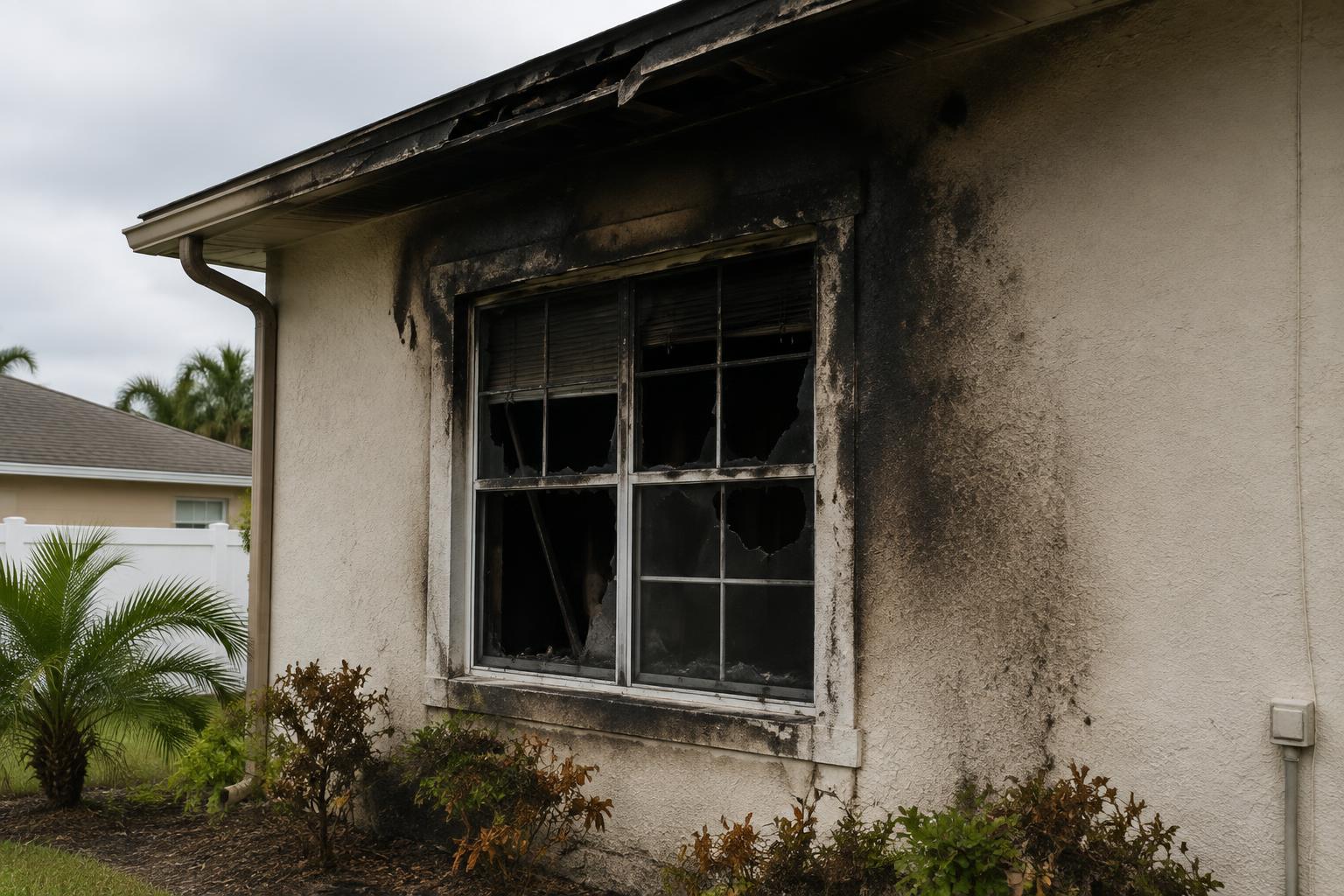
Fires in Florida homes can start from electrical faults, kitchen accidents, lightning strikes, faulty appliances, or nearby wildfires. Even when flames are contained to one area, smoke and soot can travel through HVAC systems and settle throughout the home, affecting rooms far from the original fire. Smoke damage alone, without any direct flame contact, can still cause significant harm to walls, fabrics, and electronics.
Because smoke residue is often invisible or subtle in early stages, homeowners may underestimate the extent of the damage until odors, discoloration, or corrosion become apparent weeks later.
What Does Homeowners Insurance Typically Cover After a Fire?
Most homeowners policies cover fire damage to the dwelling structure, other structures like a detached garage, personal property, and additional living expenses if the home becomes temporarily uninhabitable. The specific limits and conditions depend on your policy, and some policies distinguish between dwelling coverage and personal property coverage with separate limits.
Additional Living Expenses (ALE)
If a fire forces you out of your home during repairs, additional living expense coverage may help pay for temporary housing and related costs. Insurers often require documentation of these expenses and may dispute the necessity or duration of temporary housing, so keeping detailed records is important.
How Insurers Evaluate Smoke Damage Beyond the Fire Origin
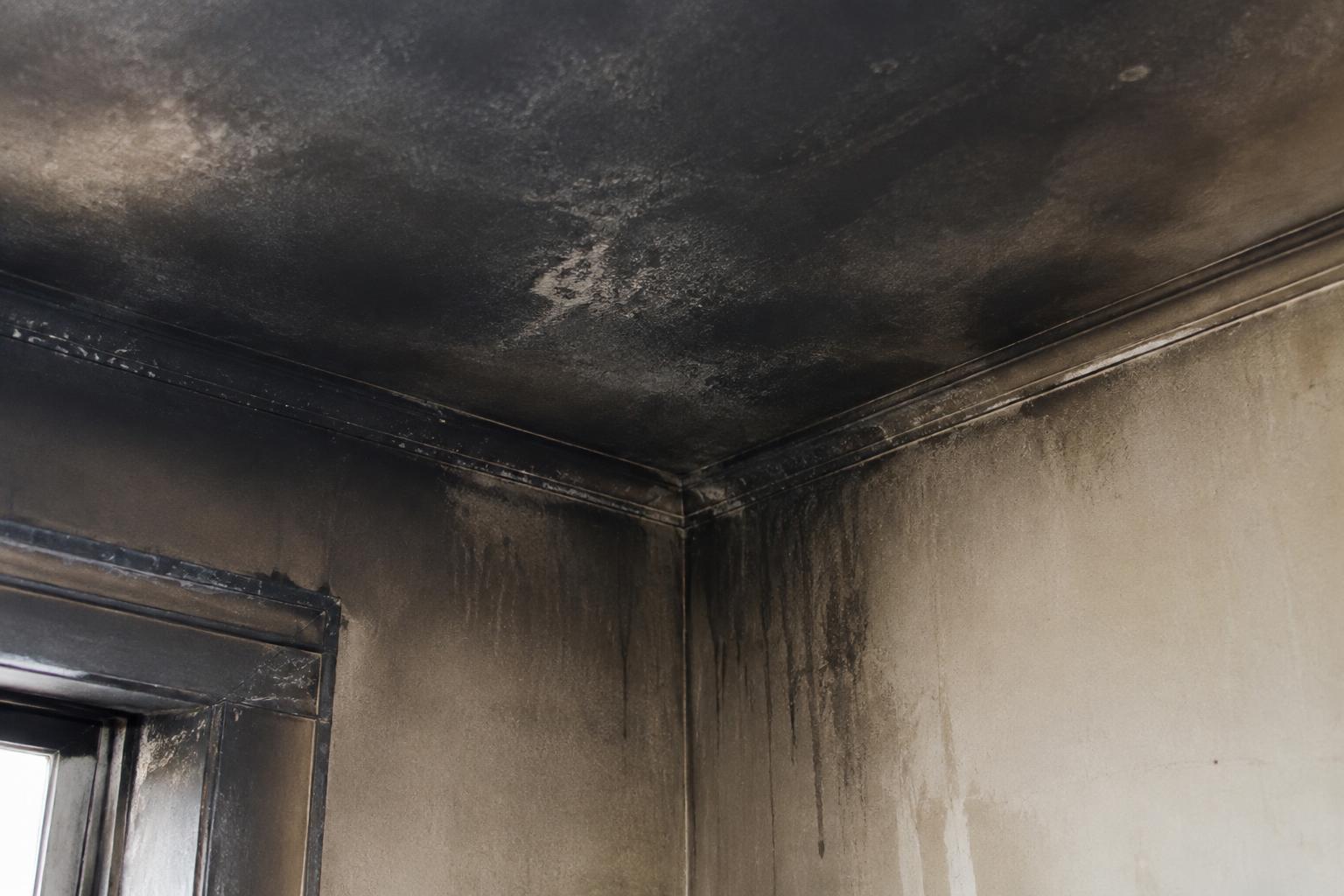
Smoke damage claims are frequently contested because soot can spread into areas that look unaffected at first glance. Adjusters may limit their assessment to rooms with visible char, overlooking odor absorption into carpets, drywall, and HVAC ductwork in adjacent spaces.
A thorough evaluation should consider air quality testing, professional cleaning estimates, and whether contaminated materials like insulation or drywall need to be replaced rather than simply cleaned. When an insurer's estimate only addresses the room of origin, it may result in an underpaid insurance claim that leaves lingering smoke odor and contamination unresolved.
Valuing Personal Property Lost in a Fire
Personal property claims after a fire require a detailed inventory of damaged or destroyed items, which can be an overwhelming task after a traumatic loss. Insurers typically request documentation such as receipts, photos, or replacement cost estimates for each item.
- Create a room-by-room inventory of destroyed or smoke-damaged belongings.
- Note approximate purchase dates and estimated replacement costs where receipts aren't available.
- Keep any salvageable items until the adjuster has inspected them.
- Request clarification on whether your policy pays actual cash value or replacement cost for contents.
Why Fire and Smoke Damage Claims Are Denied or Underpaid
Insurers may deny a fire claim based on allegations of arson, electrical code violations, or failure to maintain the property, though these findings should be based on a legitimate investigation rather than assumption. Underpayment often stems from incomplete smoke damage assessments, low personal property valuations, or disputes over the cost of professional deodorizing and cleaning services.
If your claim was denied, our overview on what to do when your insurance claim is denied provides general next steps to consider before accepting the insurer's position.
Rebuilding After a Fire: Code Upgrades and Matching Materials
Rebuilding after significant fire damage sometimes requires bringing portions of the home up to current building codes, which can add costs beyond a simple like-for-like repair. Some policies include ordinance or law coverage to help with these code-related expenses, but limits vary and insurers may resist paying for upgrades they view as unnecessary.
Matching materials for undamaged portions of the home, similar to disputes seen in roof damage claims, can also become a point of disagreement when discontinued materials no longer match remaining finishes.
Emotional and Practical Considerations After a Fire
A house fire is often one of the most disruptive events a family or property owner can experience, and the claims process can add stress at an already difficult time. Beyond the financial aspects of a claim, displaced homeowners may be dealing with temporary housing arrangements, replacing everyday essentials, and coordinating repairs, all while waiting for the insurer's evaluation.
Staying organized with documentation, from the fire department report to contractor estimates, can make the process more manageable and provide a clearer record if any part of the claim is later disputed. Taking things one step at a time, and knowing what to expect from the insurer's investigation, can help reduce some of the uncertainty involved.
Steps to Take Immediately After a Fire
Once it is safe to return to the property, focus on documentation and communication with your insurer.
- Contact your insurance company to report the loss and begin the claims process.
- Photograph and video all damage before cleanup or repairs begin.
- Secure the property against weather and unauthorized entry, such as boarding broken windows.
- Request a copy of the fire department incident report for your records.
- Keep receipts for any temporary housing or emergency expenses.
Getting Help With a Fire or Smoke Damage Claim
Our property insurance team reviews fire investigation reports, personal property valuations, and smoke remediation estimates to help homeowners understand whether their claim has been fairly assessed. We discuss the fee arrangement for your matter during your free consultation.
If your fire or smoke damage claim was denied, delayed, or underpaid, schedule a free consultation with our office to review your options. This page is general information and not legal advice for your particular situation.
How Long Does a Fire or Smoke Damage Claim Take in Florida?
Fire claims can take longer to resolve than other property claims because they often involve fire department investigations, structural engineering assessments, and detailed personal property inventories. A claim involving suspected arson or code violations may take considerably longer while the insurer completes its investigation, similar to delays discussed on our denied insurance claims page.
Florida law sets time limits that can affect your claim, and staying in regular contact with your insurer while promptly supplying requested documentation, such as the fire report and contractor estimates, can help keep the process moving. Complex claims involving extensive smoke migration throughout a home typically take longer than isolated, single-room losses.
Mistakes to Avoid After a Fire or Smoke Event
One common mistake is beginning cleanup or discarding damaged items before the adjuster has documented them, which can make it harder to prove the full extent of the loss. Homeowners should also avoid accepting a quick settlement offer before smoke damage in adjacent rooms has been properly assessed, since odor and residue can spread further than initial appearances suggest.
It's also worth avoiding informal, undocumented conversations with the insurer about the cause of the fire, and homeowners can always request a free consultation if they are unsure how to respond to an adjuster's questions. Sticking to the facts established by the fire department report and your own documentation helps avoid statements that could later be used to dispute the claim.
Serving all of Florida
Fire and Smoke Damage Claims Guidance in Miami-Dade County and Across Florida
Orellana Law has one office in Miami and serves clients with fire and smoke damage claims matters throughout Miami-Dade County and across the entire State of Florida. Wherever you are in the state, you can meet with the firm by phone or video. Contact the firm to discuss your situation.