

What Is a Defective Product Injury Claim?
A defective product injury claim, often called a product liability claim, involves harm caused by a product that was unreasonably dangerous when it was designed, manufactured, or sold. These claims can involve household appliances, children's toys, power tools, vehicles and vehicle parts, medical devices, furniture, and countless other consumer goods. Responsibility can potentially extend to manufacturers, distributors, and retailers, depending on where the defect originated.
Unlike many personal injury cases that focus on someone's careless conduct in the moment, product liability claims often center on decisions made long before the injury occurred, during design, manufacturing, testing, or labeling.
What Are the Main Types of Product Defects?
Design Defects
A design defect exists when a product's design is inherently unsafe, even if it is manufactured exactly as intended. In these cases, every unit of the product may share the same flaw.
Manufacturing Defects
A manufacturing defect occurs when a product deviates from its intended design during production, such as a contaminated batch of medication or a structurally weak component that wasn't installed correctly.
Marketing and Warning Defects
Sometimes a product is reasonably safe when used as intended, but it lacks adequate instructions or warnings about foreseeable risks. This is sometimes called a failure-to-warn claim.
Who Can Be Held Responsible for a Dangerous Product?
Depending on the facts, liability may extend to the manufacturer of the finished product, the manufacturer of a defective component part, a distributor, or the retailer that sold the product. In some situations, more than one party along the supply chain may share responsibility.
- The company that designed the product
- The manufacturer that produced it
- Component part suppliers
- Distributors and wholesalers
- The retailer that sold the product to the consumer
What Evidence Helps a Defective Product Claim?
Preserving the product itself is one of the most important steps after an injury, since it may need to be examined by experts. Additional helpful evidence includes the original packaging, instructions, purchase receipts, photographs of the injury and the product, and any recall notices or safety complaints associated with the item.
If the product was later recalled, this can be an important piece of evidence, though a recall alone doesn't automatically resolve every question in a case. Similarly, if the injury involved a vehicle component, there may be overlap with a broader car accident investigation.
What Compensation May Be Available for Product Injuries?
Depending on the circumstances, compensation in a defective product case may address medical expenses, lost income, long-term care needs, and pain and suffering. Because these injuries range from minor to life-altering, the value of a claim varies considerably based on the severity of the harm. Ask about the fee arrangement for your matter during your free consultation to understand how a potential case might proceed.
In situations involving severe or permanent harm, a defective product case may share characteristics with a catastrophic injury claim, particularly where long-term medical care or disability is involved.
What Should You Do After Being Injured by a Product?
- Seek medical treatment for your injuries
- Stop using the product and keep it in its current condition
- Preserve packaging, manuals, and receipts if available
- Photograph the product and your injuries
- Check for any manufacturer recalls related to the product
- Avoid altering, repairing, or discarding the product before it can be examined
How Is a Product Liability Claim Different From Other Personal Injury Cases?
Product liability cases often require technical evaluation of how a product was designed and manufactured, which can involve engineering or industry-specific analysis. This differs from more straightforward claims such as a slip-and-fall, where the hazard is usually a visible condition on a property. Understanding these differences can help you know what kind of evidence and investigation your case may require.
The Role of Testing and Industry Standards in Product Cases
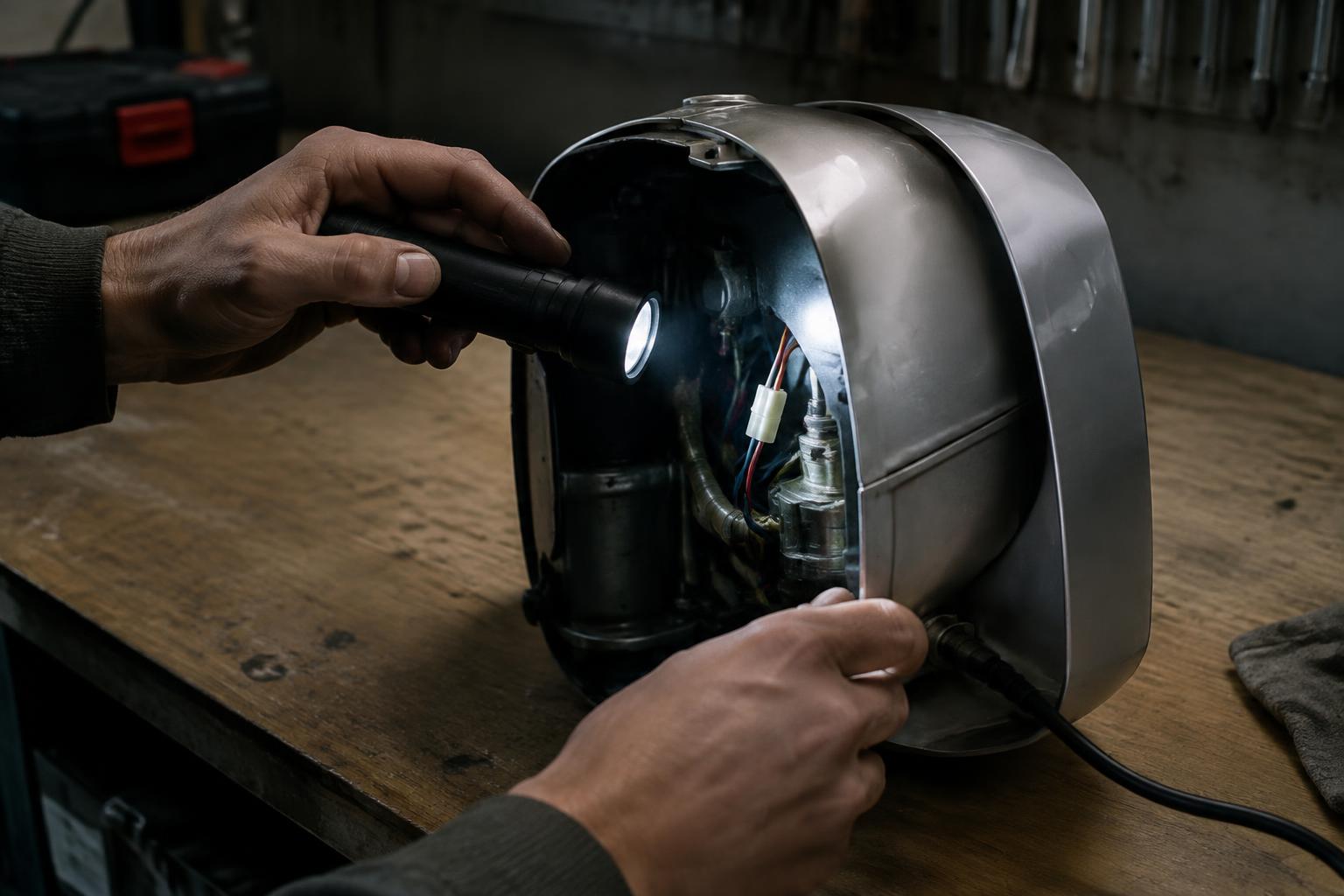
Many defective product cases involve a close look at the testing procedures a manufacturer used before releasing a product to the public, as well as whether the product complied with relevant industry or governmental safety standards. Compliance with a standard doesn't automatically mean a product was safe, just as noncompliance doesn't automatically prove a defect existed, but this information is often a meaningful part of the overall analysis.
Expert engineers or safety consultants are frequently involved in evaluating whether a safer, practical alternative design existed at the time the product was made. This kind of analysis can help clarify whether a design defect claim, rather than a manufacturing or warning defect claim, best fits the facts of a particular case.
Why Do Manufacturers Fight Defective Product Claims So Aggressively?
Large manufacturers often have significant legal and financial resources dedicated to defending product liability claims, in part because a single case can sometimes signal a broader issue affecting many units of the same product. Companies may argue that a product was misused, that warnings were adequate, or that an injury resulted from an unrelated cause. These disputes can involve competing expert opinions about engineering standards, industry practices, and what a reasonable consumer would have understood about a product's risks.
Because of this, building a well-documented claim from the outset, including preserving the product, gathering purchase records, and identifying any related complaints or recalls, can make a meaningful difference in how a case unfolds. Our resources section also includes general information that may be useful background while you consider your options.
Do You Need a Lawyer for a Defective Product Case?
Product liability claims can involve large manufacturers with substantial legal resources, making it important to have a clear understanding of your situation before engaging with an insurance company or corporate representative. Our team can help review what happened, assist with preserving evidence, and explain your possible options moving forward. You can request a free consultation to discuss your case and learn more about this guide to defective product claims.
How Long Does a Defective Product Claim Take to Resolve?
Defective product cases often take longer than many other personal injury matters because they frequently require engineering analysis, expert testimony, and sometimes coordination with other people injured by the same product. Manufacturers and their insurers may also conduct their own internal investigation before responding, which can extend the early stages of a claim.
Cases involving a straightforward manufacturing defect with a documented recall may move somewhat faster than cases alleging a design defect, which often requires expert analysis of whether a safer alternative design was feasible at the time the product was made. Severity of injury and whether litigation becomes necessary also affect the overall timeline.
Mistakes to Avoid After a Product Injury
Certain actions taken after a product-related injury can unintentionally weaken a potential claim. The most significant is disposing of, repairing, or continuing to use the defective product, since it often needs to be examined by an expert in its original, post-incident condition.
- Throwing away the product, packaging, or receipt
- Attempting to fix or modify the product yourself
- Continuing to use the product after being injured
- Failing to check for a manufacturer recall
- Waiting too long to seek medical treatment for the injury
How Comparative Fault Can Affect a Defective Product Claim in Florida
Florida's comparative fault principles can apply in product liability cases just as they do in other personal injury matters. A manufacturer may argue that a consumer misused the product in a way that wasn't reasonably foreseeable, ignored a clear warning label, or altered the product before the injury occurred.
Whether an argument like this reduces a claim's value depends heavily on the specific facts, including whether the alleged misuse was actually foreseeable to the manufacturer at the time the product was designed. This is often a key point of dispute between an injured consumer and a manufacturer's legal team.
Serving all of Florida
Defective Product Injuries Guidance in Miami-Dade County and Across Florida
Orellana Law has one office in Miami and serves clients with defective product injuries matters throughout Miami-Dade County and across the entire State of Florida. Wherever you are in the state, you can meet with the firm by phone or video. Contact the firm to discuss your situation.