
What Qualifies as a Slip and Fall Claim in Florida?
A slip and fall claim generally arises when someone is injured because of a dangerous condition on another person's or business's property, such as a wet floor, loose flooring, poor lighting, or an uneven walking surface. These cases fall under Florida's broader premises liability laws, which address when a property owner or occupier may be responsible for injuries that happen on their property.
Not every fall results in a valid claim. Florida law generally requires showing that the property owner knew, or should have known, about the hazardous condition and failed to address it within a reasonable time. This standard can make slip and fall cases more fact-specific than other types of injury claims.
Common Causes of Slip and Fall Accidents in Florida
South Florida's climate and busy commercial spaces create a number of common slip and fall hazards. Sudden rain showers can leave entryways and parking lots slick, while air conditioning condensation can create unexpected wet spots indoors.
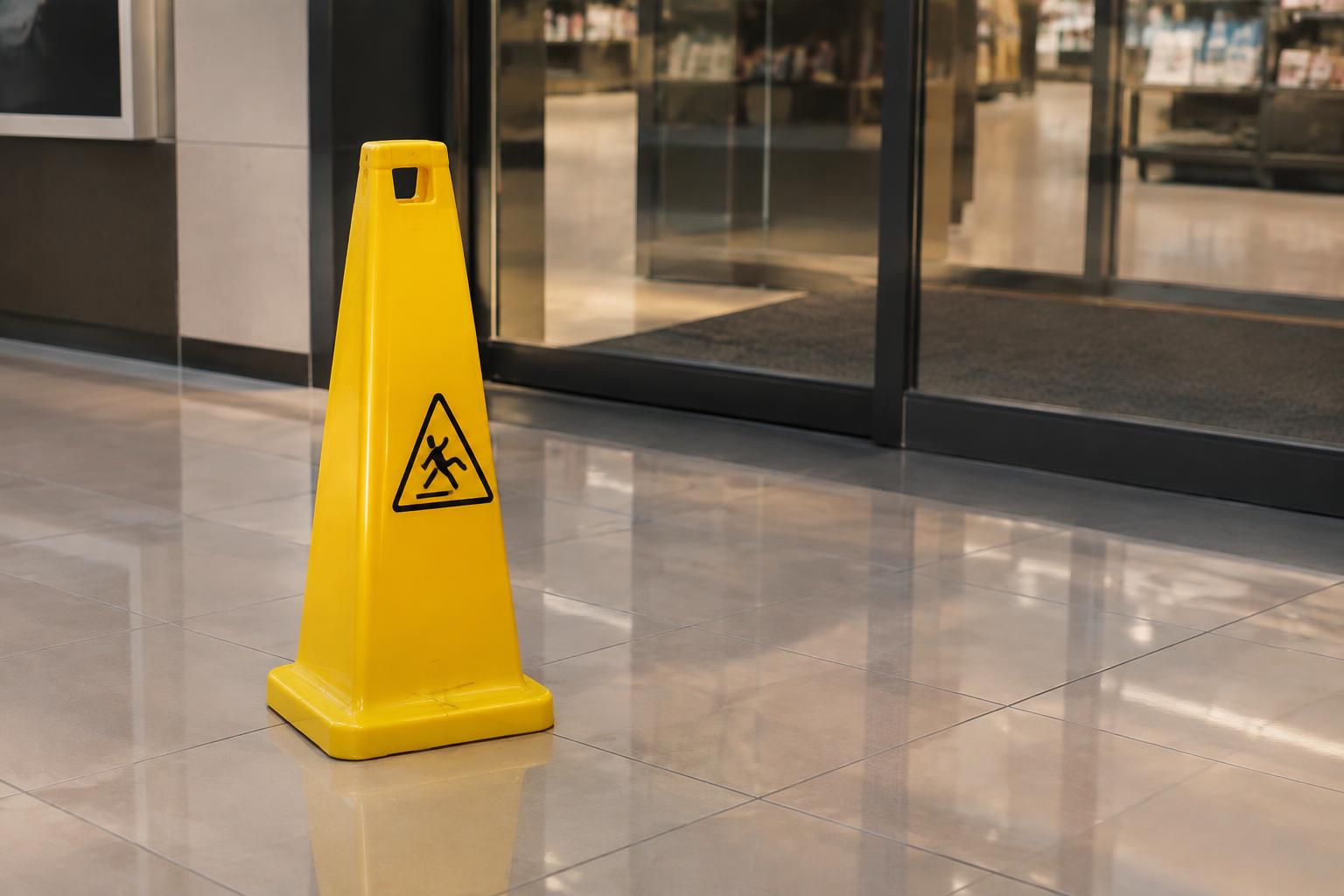
- Recently mopped or waxed floors without warning signs
- Spilled liquids or food in grocery stores and restaurants
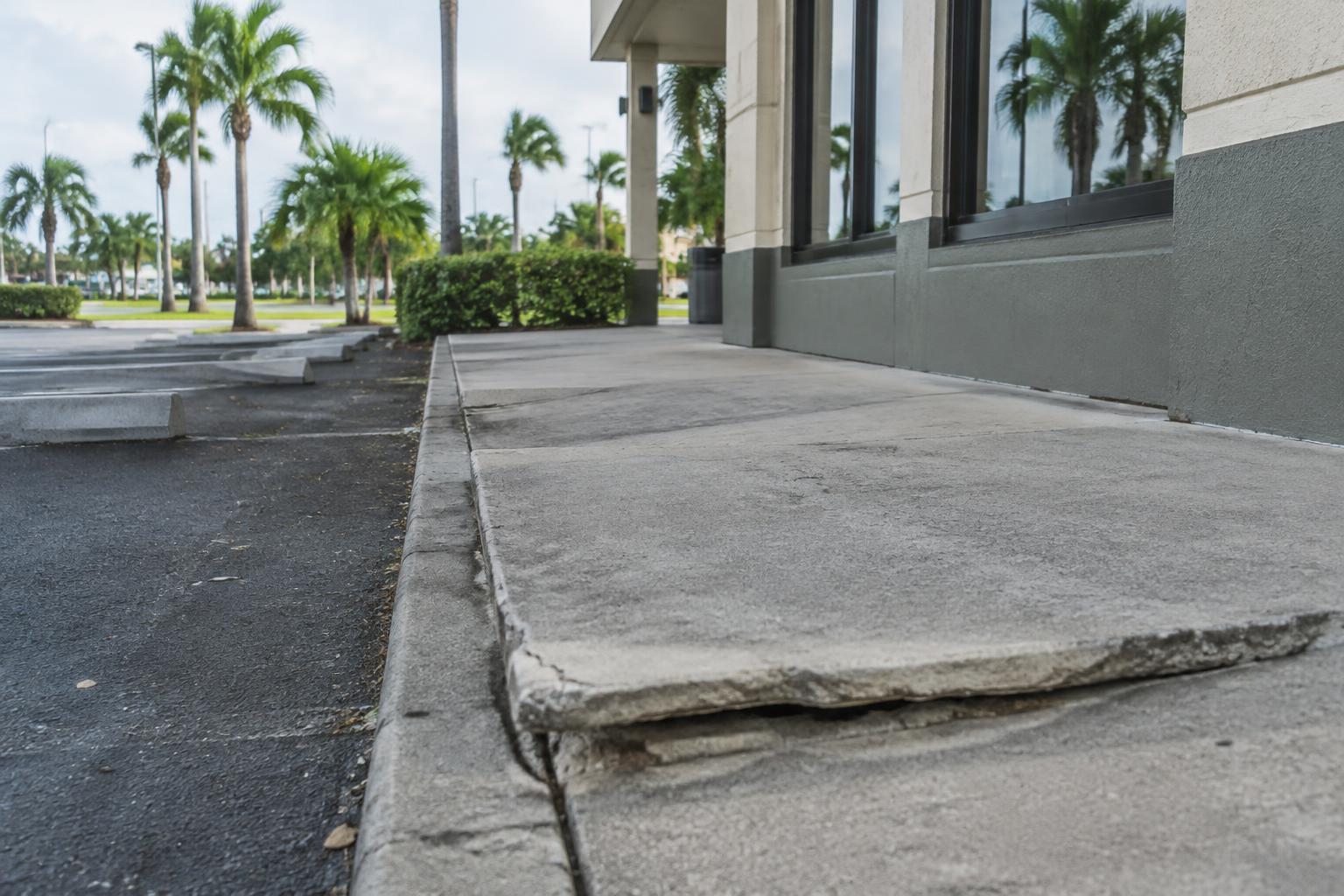
- Uneven pavement, potholes, or broken curbs in parking areas
- Loose rugs, mats, or damaged flooring
- Poor lighting in stairwells or hallways
- Cluttered walkways or merchandise left in aisles
How Florida's Premises Liability Standard Applies to Falls
Florida law distinguishes between different categories of visitors, such as invitees (like customers) and licensees, which can affect the level of care a property owner owed at the time of the fall. Generally, businesses open to the public owe a duty to maintain reasonably safe conditions and to warn of hazards that aren't obvious.
Proving a business had actual or constructive notice of a hazard, meaning they knew about it or it existed long enough that they should have known, is often the central issue in a slip and fall case. Surveillance footage, maintenance logs, and incident reports can all play a role in establishing notice.
What to Do Immediately After a Slip and Fall Accident
At the Scene
- Report the fall to a manager or property owner and request a written incident report
- Photograph the hazard, the surrounding area, and your injuries
- Get contact information from anyone who witnessed the fall
- Avoid discussing fault or minimizing your injuries out loud
Afterward
Seek medical attention promptly, even if you think the injury is minor, since some soft tissue or joint injuries take time to fully present. Keep copies of any incident report and follow up on medical treatment as recommended.
Who Is Liable for a Slip and Fall Injury?
Liability in a slip and fall case generally falls on the property owner, tenant, or business operator responsible for maintaining the area where the fall occurred, though sometimes multiple parties share responsibility, such as a landlord and a commercial tenant. Determining who is actually responsible can require looking at lease agreements, maintenance contracts, and who had control over the specific area.
In some cases, the injury may involve a hazard connected to negligent security rather than a simple slip, such as poor lighting contributing to a fall in a dimly lit parking garage. Sorting out which category a case falls into can affect how the claim is evaluated.
How Comparative Fault Can Affect a Slip and Fall Claim
Property owners and their insurers often argue that the injured person was not paying attention, was wearing inappropriate footwear, or ignored a warning sign. Under Florida's comparative fault rules, being found partially responsible for a fall can reduce the compensation available, even if the property owner was also negligent.
This is one reason documentation matters so much in these cases. Photos showing the absence of warning signs, poor lighting, or a hazard that had clearly been present for some time can help counter arguments that the injured person was primarily at fault. This guide to insurance claim delays explains some of the tactics insurers use to shift blame.
What Compensation May Be Available After a Slip and Fall?
Depending on the circumstances, compensation in a slip and fall case may address medical expenses, lost income, and other losses connected to the injury. The value of a claim generally depends on the severity of the injury, the strength of the evidence showing the property owner's negligence, and the applicable insurance coverage.
Ask about the fee arrangement for your matter during your free consultation, so you understand the general process before deciding how to move forward with a potential claim.
Why Slip and Fall Cases Can Be Harder to Prove Than Other Injury Claims
Unlike a car accident, where fault is often documented through a police report, slip and fall cases frequently come down to a dispute over what the property owner knew and when. Businesses may argue the hazard appeared moments before the fall, leaving no reasonable time to address it.
This is part of why acting quickly matters. Surveillance footage is sometimes deleted after a short retention period, and physical evidence of a hazard, like a spill or torn carpet, can be cleaned up or repaired shortly after an incident is reported. Our premises liability team can go over the general timeline considerations with you.
Common Questions About Florida Slip and Fall Claims
Below are some of the questions Orellana Law, P.A. commonly hears from people who were injured in a fall on someone else's property in Florida.
If you don't see your specific question addressed, or you'd like to talk through what happened, request a free consultation to discuss the general circumstances of your fall.
How Long Does a Slip and Fall Claim Take in Florida?
Slip and fall claims can move at different speeds depending on how clear the evidence of negligence is and how serious the injuries are. A case with strong evidence, such as video footage showing a hazard existed for a long time, may resolve faster than one where liability is disputed.
Cases involving more serious injuries generally take longer, since it's important to understand the full extent of medical treatment before resolving a claim. If a business disputes responsibility or argues the hazard wasn't reasonably foreseeable, the claim may take additional time to work through negotiation or litigation.
Mistakes to Avoid After a Slip and Fall Accident
One common mistake is failing to report the fall to the property owner or manager right away, which can make it harder to later prove where and how the fall happened. Another is delaying medical care, which can give an insurer room to argue the injury wasn't connected to the fall or wasn't serious.
It's also worth being cautious about statements made at the scene, such as saying "I'm fine" out of instinct, since these comments are sometimes used later to downplay an injury. If the fall happened in an area with limited lighting, our premises liability team can help you think through what additional evidence, like lighting conditions, might be relevant.
Slip and Fall Claims in Miami-Dade Retail and Tourism Settings
Miami-Dade's large concentration of retail centers, hotels, restaurants, and tourist attractions means slip and fall accidents often happen in high-traffic commercial spaces with heavy foot traffic and frequent cleaning schedules. These properties often have surveillance systems and detailed maintenance logs, which can be valuable evidence, but businesses may also be quicker to dispute claims given the volume of visitors they see.
Outside of dense commercial areas, falls in more residential or rural parts of Florida may involve different property types, like apartment complexes or private homes, where evidence like surveillance footage is less likely to exist. Request a free consultation to talk through the specific property and circumstances involved in your fall.
Serving all of Florida
Slip and Fall Guidance in Miami-Dade County and Across Florida
Orellana Law has one office in Miami and serves clients with slip and fall matters throughout Miami-Dade County and across the entire State of Florida. Wherever you are in the state, you can meet with the firm by phone or video. Contact the firm to discuss your situation.