
What Is Premises Liability Under Florida Law?
Premises liability refers to a property owner's or occupier's legal responsibility for injuries that happen on their property due to unsafe conditions. This area of law covers a broad range of situations, from a slip and fall in a grocery store to inadequate lighting that contributes to an assault, addressed under negligent security.
Generally, Florida law asks whether the property owner knew, or should have known, about a hazardous condition and failed to fix it or warn visitors within a reasonable amount of time. The specific facts of how long a hazard existed and what the owner did about it often drive the outcome of these cases.
Types of Property Hazards That Can Lead to a Premises Liability Claim
Unsafe property conditions come in many forms, and identifying the exact hazard is often the first step in evaluating a potential claim.
- Wet or recently cleaned floors without warning signs
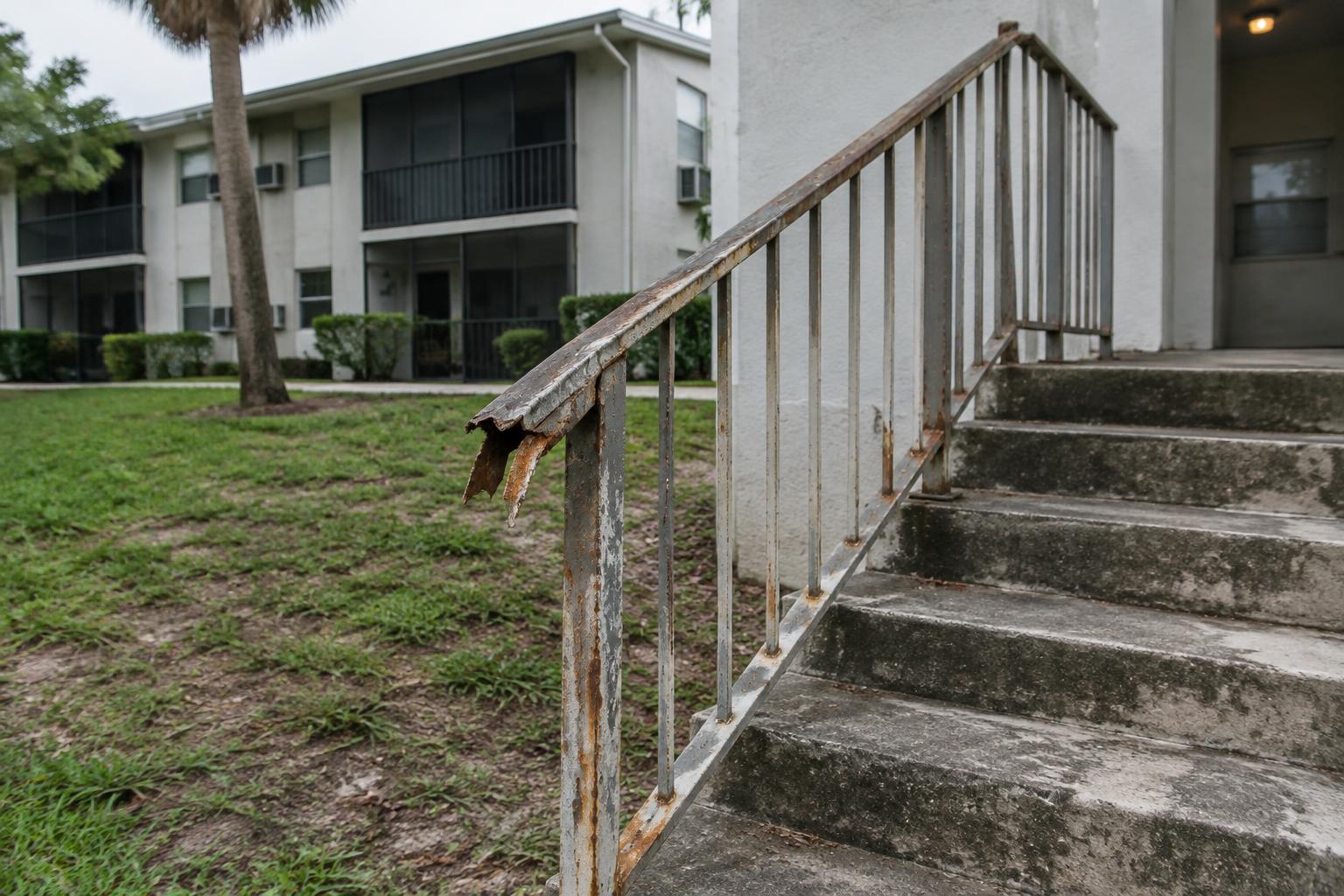
- Broken stairs, handrails, or uneven flooring
- Poor lighting in stairwells, hallways, or parking structures
- Inadequate security measures in areas with known criminal activity
- Swimming pool hazards, including missing fencing or gates
- Falling merchandise or unsecured shelving in retail stores
- Dog or animal encounters on residential or commercial property
Who Can Be Held Responsible for an Unsafe Property?
Responsibility for an unsafe property condition can fall on a range of parties depending on who controls the space, including property owners, landlords, commercial tenants, property management companies, and, in some cases, contractors performing maintenance. Lease agreements and service contracts can affect who was actually responsible for the specific area where the injury occurred.
For example, a landlord may be responsible for structural issues like a broken staircase, while a tenant business might be responsible for keeping the interior floor clear of spills. Sorting out which party is liable often requires reviewing these underlying agreements alongside the facts of the incident.
How Florida Classifies Visitors and Why It Matters
Invitees, Licensees, and Trespassers
Florida law generally recognizes different categories of people who enter a property, and the duty a property owner owes can depend on that classification. Invitees, such as customers at a business, are typically owed the highest duty of care, including a duty to inspect for and warn of hazards.
Licensees, such as social guests, are generally owed a duty to be warned of known dangers that aren't obvious. These distinctions can affect how a premises liability claim is evaluated, which is one reason the specific relationship between the injured person and the property matters.
What Evidence Matters Most in a Premises Liability Case?
Because premises liability claims often hinge on what a property owner knew and when, evidence that establishes notice of a hazard is especially important. This can include surveillance video, prior incident reports involving the same hazard, maintenance and cleaning logs, and employee statements.
Photographs taken immediately after the incident, showing the hazard as it existed at the time, are also valuable, since property owners often repair or remove hazards shortly after an injury is reported. Why insurance claims get delayed or undervalued discusses how insurers evaluate evidence like this when deciding how to respond to a claim.
How Comparative Fault Applies to Premises Liability Claims
As with other injury claims, Florida's comparative fault rules apply to premises liability cases. Property owners and their insurers frequently argue that the injured visitor was distracted, ignored a posted warning, or was in an area they shouldn't have been. These arguments can reduce the compensation available even when the property owner was also negligent.
Building a clear picture of the scene, including lighting conditions, signage, and the general layout of the area, can help address these arguments. Our premises liability team can go over the general concepts that may apply to your specific situation.
Premises Liability vs. Other Personal Injury Claims
Premises liability overlaps with several related injury categories, but it isn't identical to them. A slip and fall is one common type of premises liability claim, but the broader category also includes dog bite injuries that happen on someone's property and negligent security situations where inadequate protective measures contributed to a violent crime.
Understanding which category best fits your situation can affect what evidence matters and what insurance policy might apply. If your injury doesn't clearly fit one category, this overview of Orellana Law's practice areas can help you find the closest match before your consultation.
What to Expect When Pursuing a Premises Liability Claim
Premises liability claims typically begin with documenting the hazard and the injury, followed by identifying the responsible party or parties and their insurance coverage. From there, the process often involves negotiating with an insurance adjuster, who may dispute either the property owner's liability or the extent of the injuries.
Ask about the fee arrangement for your matter during your free consultation. Request a free consultation to discuss the general facts of your situation and learn what steps might come next.
How Long Does a Premises Liability Claim Take in Florida?
The timeline for a premises liability claim depends on the complexity of the liability question and the severity of the injury. Cases where notice of a hazard is well documented, such as through prior complaints or maintenance records, may move more quickly than cases where the property owner disputes ever knowing about the condition.
As with other injury claims, it's generally important to complete medical treatment before resolving the case, since settling too early can leave future costs uncovered. Cases involving multiple potentially responsible parties, such as a landlord and a commercial tenant, can also take additional time to sort out.
Mistakes to Avoid After a Premises Liability Injury
Failing to report the incident to the property owner or manager, not photographing the hazard before it's cleaned up or repaired, and delaying medical treatment are among the most common issues that can weaken a premises liability claim. Property owners sometimes fix a hazard quickly after an incident, which can make it harder to later document what the condition actually looked like.
It also helps to avoid assuming a claim isn't worth pursuing just because the injury seemed minor at first, since some injuries, including dog bite injuries or soft tissue injuries from a fall, can worsen over time. This overview of Orellana Law's approach explains what to generally expect from an initial consultation.
Premises Liability Claims in Miami-Dade vs. Elsewhere in Florida
Miami-Dade's dense mix of high-rise condominiums, retail centers, and tourist destinations means premises liability claims here often involve commercial property owners, management companies, and, in some cases, homeowners' or condo associations. These properties often have more formal maintenance schedules and security protocols than smaller properties elsewhere in Florida.
In other parts of the state, premises liability claims may more often involve single-family homes, rural properties, or smaller local businesses, where documentation like surveillance footage or written maintenance logs may not exist. Regardless of where the property is located, our personal injury team can go over the general concepts that may apply to your specific claim.
Serving all of Florida
Premises Liability Guidance in Miami-Dade County and Across Florida
Orellana Law has one office in Miami and serves clients with premises liability matters throughout Miami-Dade County and across the entire State of Florida. Wherever you are in the state, you can meet with the firm by phone or video. Contact the firm to discuss your situation.