
Common Construction Disputes
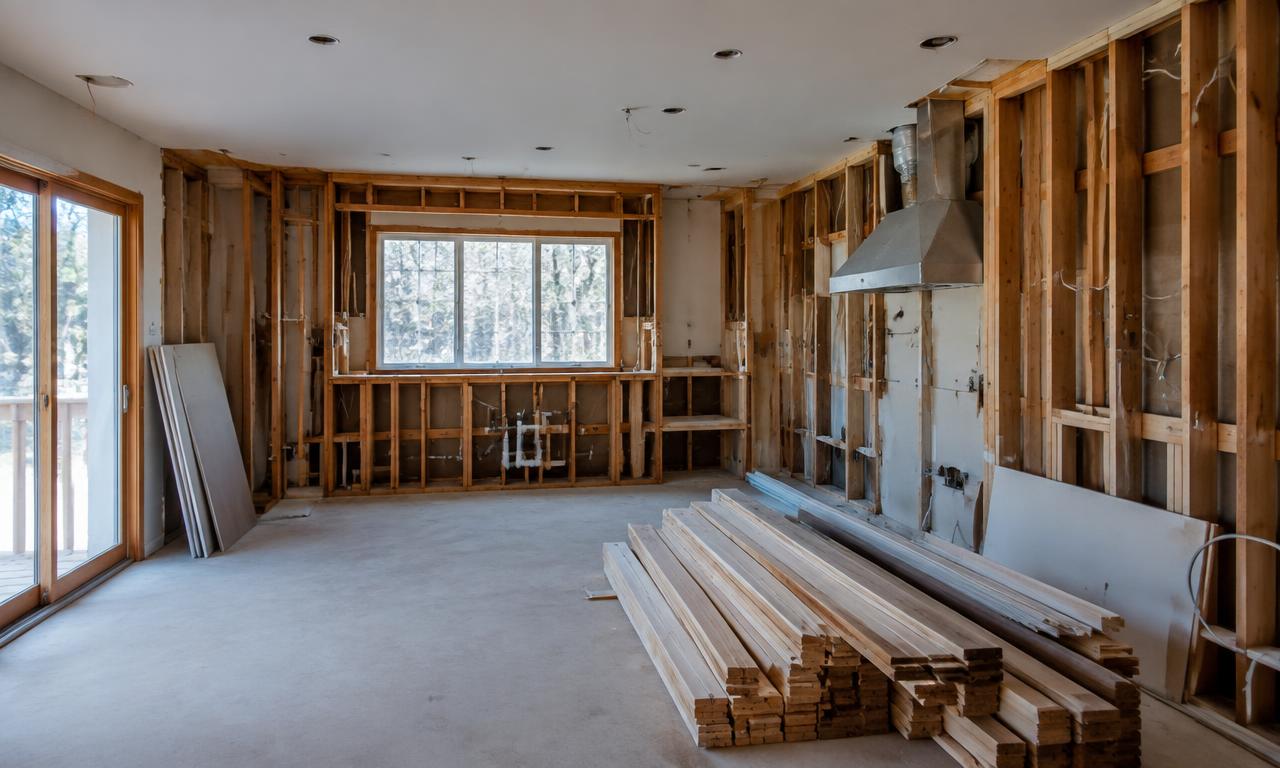
- A contractor took a deposit and did not start or finish the work.
- Defective or incomplete work that does not meet the contract or building code.
- Delays and abandoned projects.
- Disputes over change orders and extra charges.
- Unpaid contractors, subcontractors, or suppliers.
- Construction liens recorded against the property.
These disputes are a core part of our civil litigation practice.
Start With the Contract
The written contract usually controls: scope of work, payment schedule, deadlines, warranties, and how disputes are resolved. Many contracts include an attorney's fee clause. Under Fla. Stat. § 57.105(7), a one-sided fee clause generally works both ways, so the prevailing party may recover fees either way.
No written contract does not mean no claim. Oral agreements can be enforced, generally within four years under Fla. Stat. § 95.11, though they are harder to prove. Written contract claims generally have five years.
Deposits and Abandoned Projects
When a contractor takes a deposit and walks away, the owner may have claims for breach of contract and, in some cases, other remedies under Florida law. A clear demand letter that lays out the payments, the work not performed, and a deadline often resolves these matters without a lawsuit.
Checking whether the contractor was licensed matters. An unlicensed contractor may be unable to enforce the contract, and the state's Construction Industries Recovery Fund may be available in some cases involving licensed contractors.
Construction Defect Claims and Chapter 558
For many construction defect claims, Florida's Chapter 558 requires a written notice of claim to the contractor at least 60 days before filing suit for residential work, or 120 days for certain associations. The contractor then has a chance to inspect and offer to repair or pay. Skipping this step can delay a case.
Construction Liens
Unpaid contractors, subcontractors, and suppliers can record a lien against the property under Florida's Construction Lien Law. Strict notice and timing requirements apply to both sides. An owner may be able to contest an improper lien, and a contractor must follow the deadlines to protect its right to payment.
A lien is also a title problem. Once the dispute is resolved, our real estate and deed practice can help clear it.
For Contractors and Businesses
We also represent contractors and subcontractors collecting unpaid balances, defending defect claims, and protecting lien rights. Early review of the contract and payment history helps preserve deadlines.
What to Gather
- The contract, estimates, and any change orders.
- Proof of payments: checks, receipts, bank records.
- Texts and emails with the contractor.
- Dated photos of the work.
- Permits, inspection records, and any lien or notice received.
How Orellana Law Can Help
Contract and Document Review
We review the contract, payments, and communications to identify your claims and deadlines.
Demand Letters and Negotiation
We prepare a clear demand that often resolves the dispute without filing suit.
Pre-Suit Notices and Liens
We handle Chapter 558 notices and lien deadlines so your case is positioned correctly.
Litigation
When the dispute does not settle, we file in the appropriate Florida court and pursue your claim.
Serving all of Florida
Contractor and Construction Disputes Guidance in Miami-Dade County and Across Florida
Orellana Law has one office in Miami and serves clients with contractor and construction disputes matters throughout Miami-Dade County and across the entire State of Florida. Wherever you are in the state, you can meet with the firm by phone or video. Contact the firm to discuss your situation.